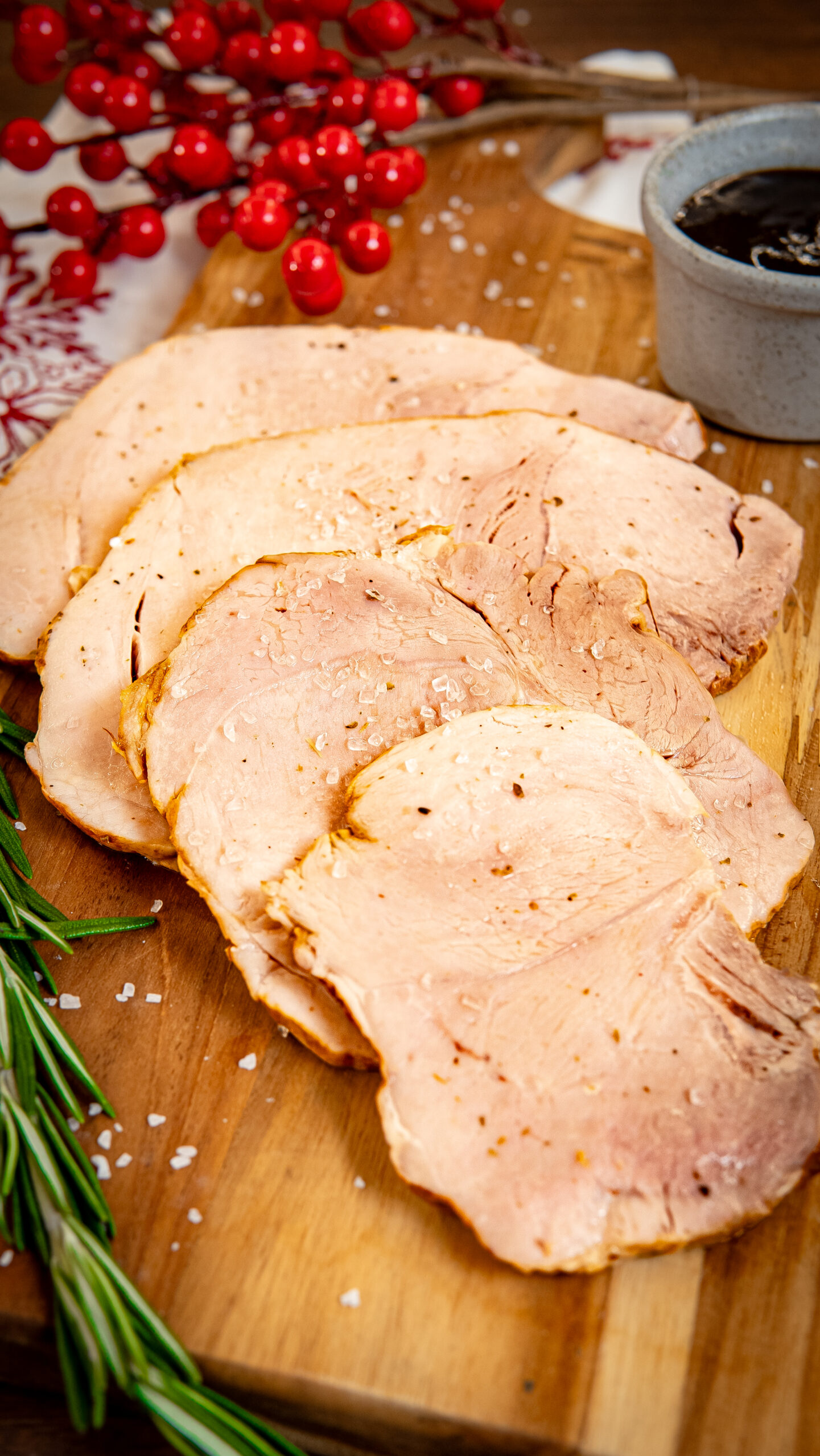
Smoking a turkey is one of the best ways to get deep flavor and juicy meat, but timing can be confusing. Knowing how long to smoke a turkey depends on its size, smoker temperature, and whether the bird is whole, spatchcocked, or just a breast. This guide walks you through realistic time estimates, temperature targets, and practical steps so you can plan your cook with confidence.
- 1.Key factors that affect how long to smoke a turkey
- 2.General time estimates for smoked turkey
- 3.Internal temperature targets
- 4.How to plan your smoking schedule
- 5.Step-by-step: Smoking a turkey with proper timing
- 6.Resting and holding a smoked turkey
- 7.Adjusting timing for different smokers
- 8.Common timing mistakes to avoid
- 9.When in doubt, trust the thermometer
Key factors that affect how long to smoke a turkey
The most important thing to understand is that you cook turkey to a safe internal temperature, not to a clock. Time estimates are helpful for planning, but they are always secondary to what your thermometer tells you.
Smoker temperature has the biggest impact on how long it will take. Most backyard cooks use a range between 225°F and 275°F. At 225°F you get more smoke time but a longer cook; at 275°F you finish faster and still get plenty of flavor. The size and shape of the turkey also matter. A whole, dense 16‑pound bird will take significantly longer than a spatchcocked turkey of the same weight because heat can reach the meat more easily in a flattened bird. Bone-in breasts and leg quarters finish sooner than an entire turkey because you are working with smaller individual cuts.
Other variables like how often you open the smoker, how windy or cold it is outside, and how accurate your smoker thermometer is will shift your cook time in either direction. That is why every serious turkey smoker relies on a good meat thermometer instead of guessing.
General time estimates for smoked turkey
For planning, assume a ballpark cooking time per pound and then adjust with your thermometer. These are realistic ranges under typical conditions.
Whole turkey at 225°F
When you smoke a whole turkey at 225°F, expect about 30 to 40 minutes per pound. Smaller birds often cook a little faster per pound because heat penetrates more easily, while very large turkeys can take longer. For example, a 12‑pound whole turkey at 225°F often needs around 6 to 8 hours, while a 16‑pound bird can easily require 8 to 10 hours or more. Build in extra time so you are not rushing near serving time.
Whole turkey at 250–275°F
Increasing the smoker temperature to 250–275°F shortens the cook noticeably without drying out the meat if you monitor internal temperatures carefully. At 250°F, most cooks see about 25 to 30 minutes per pound. At 275°F, it often drops to roughly 20 to 25 minutes per pound. A 12‑pound turkey at 275°F may be done in about 4.5 to 5 hours, while a 16‑pound bird might run 5.5 to 7 hours, depending on your smoker and how often you open it.
Spatchcocked turkey
Spatchcocking (removing the backbone and flattening the turkey) speeds up the cook and helps the meat cook more evenly. At 275°F, a spatchcocked turkey often finishes in around 13 to 18 minutes per pound, so a 12‑pound bird could be done in 3 to 3.5 hours. This method is especially useful if you want crispy skin and more predictable timing, since the turkey lies flat and exposes more surface area to the heat.
Turkey breasts and other parts
Bone-in turkey breasts are a good option for smaller gatherings and are quicker to smoke. At 250–275°F, a typical 4‑ to 6‑pound bone-in breast usually takes 1.5 to 3 hours, or roughly 20 to 30 minutes per pound. Leg quarters or drumsticks cook on a similar timeline and can often be finished slightly hotter at the end to help the skin render.
Internal temperature targets
No matter what timing estimate you use, you should always let internal temperature decide when a smoked turkey is done. Use a reliable instant-read or probe thermometer inserted into the thickest part of the breast and the inner thigh, avoiding bone.
The USDA minimum safe temperature for turkey is 165°F in the thickest part of the breast and any portion of the meat that will be eaten. Many experienced smokers pull the turkey from the heat when the breast reaches around 160–162°F, knowing it will carry over to 165°F or slightly higher while it rests. Thighs and legs are more forgiving and often taste better at 170–175°F because the connective tissue has more time to break down.
How to plan your smoking schedule
To plan how long to smoke your turkey, start with the weight, choose a smoker temperature you can hold steadily, and then calculate a reasonable time window based on the ranges above. Add a buffer of 1 to 2 hours on the back end. If it is done early, you can hold it warm; if it runs long, you will still be on schedule.
A simple way to plan is to work backward from your target serving time. Decide when you want to carve, subtract at least 30 to 45 minutes for resting, and then subtract your estimated cook time plus your safety buffer. For example, if you want to eat at 5:30 p.m., plan to have the turkey finished cooking by 4:30 p.m., resting from 4:30 to 5:15, and carving at 5:15. If you expect a 5‑hour cook plus a 1‑hour buffer, you should start smoking around 10:30 a.m.
Step-by-step: Smoking a turkey with proper timing
Begin by thawing the turkey completely if it was frozen. A partially frozen bird can add hours to your cook and lead to uneven results. Once thawed, pat it dry, remove any giblets, and decide whether to brine. A simple wet or dry brine applied 12 to 24 hours in advance helps keep the meat juicy, especially during longer smokes at 225°F.
On the day of the cook, set your smoker to your chosen temperature, typically 250–275°F if you want a balance between smoke flavor and a manageable timeline. While the smoker preheats, season the turkey generously, including under the skin where you can reach. Place the turkey on the smoker with space for air to circulate around it, breast side up for a whole bird, or skin side up for breasts and parts.
Insert a probe thermometer into the thickest part of the breast so you can monitor the internal temperature without constantly opening the lid. Try to avoid lifting the smoker lid more than you need to; every time you open it, you lose heat and extend the cooking time. Add wood chunks or chips as needed, especially early in the cook, because the first few hours are when the meat absorbs most of the smoke flavor.
As the turkey approaches 150°F in the breast, start checking more frequently. This is the stage where cooking speed can change quickly depending on your smoker and weather conditions. If the skin is browning too fast but the internal temp is still low, tent loosely with foil to prevent burning. If the breast is lagging far behind the thighs, you can rotate the bird or adjust its position toward the hotter zone of your smoker.
Resting and holding a smoked turkey
Resting is built into your timing and should not be skipped. After you remove the turkey from the smoker at around 160–165°F in the breast, tent it lightly with foil and let it rest for at least 30 minutes, and up to 45 minutes for larger birds. During this rest, carryover heat finishes the cooking process and the juices redistribute, giving you moister slices.
If your turkey finishes earlier than planned, you can hold it warm for up to a couple of hours. Wrapping the rested turkey in foil and placing it in a dry cooler lined with towels helps maintain a safe temperature without drying it out. This holding method is one of the reasons experienced smokers prefer to finish early rather than risk running late.
Adjusting timing for different smokers
Different smokers affect how long a turkey takes to cook. Pellet grills generally hold temperature more steadily, so the per-pound estimates are usually reliable. Offset stick burners can fluctuate more, especially in wind or cold, which can lengthen your cook by an hour or more unless you manage the fire closely. Electric smokers tend to run slightly cooler at the grate than the thermometer suggests, which can add time if you do not account for it.
It is useful to learn how your specific smoker behaves. Keeping a simple log of smoker temperature, turkey weight, and total cook time for each bird helps refine your expectations. Over a few cooks, you will know whether your setup tends to run “fast” or “slow” compared to standard guidelines, and you can adjust your target start time accordingly.
Common timing mistakes to avoid
One of the most common mistakes is relying on a fixed minutes-per-pound number without considering smoker temperature. Saying “30 minutes per pound” means something very different at 225°F than at 275°F. Another frequent problem is opening the smoker too often to peek, which can easily add 30 to 60 minutes to your cook over the course of the day.
Starting with a turkey that is not fully thawed also causes issues. The outside can reach safe temperatures while the interior stays cold for far too long, which is both unsafe and frustrating from a timing perspective. Finally, some cooks watch only the thigh temperature and ignore the breast. This can lead to overcooked, dry breast meat even if the total cook time looked acceptable. Using at least one probe in the breast and checking the thigh gives a more accurate picture of when the turkey is truly done.
When in doubt, trust the thermometer
All timing guidelines for smoked turkey are meant to get you close, not to act as strict rules. Your exact “how long to smoke a turkey” answer depends on your smoker, your bird, and your conditions on that particular day. If you give yourself a reasonable time window, monitor internal temperature carefully, and plan for a proper rest, you will consistently end up with a safely cooked, juicy smoked turkey, regardless of the clock.