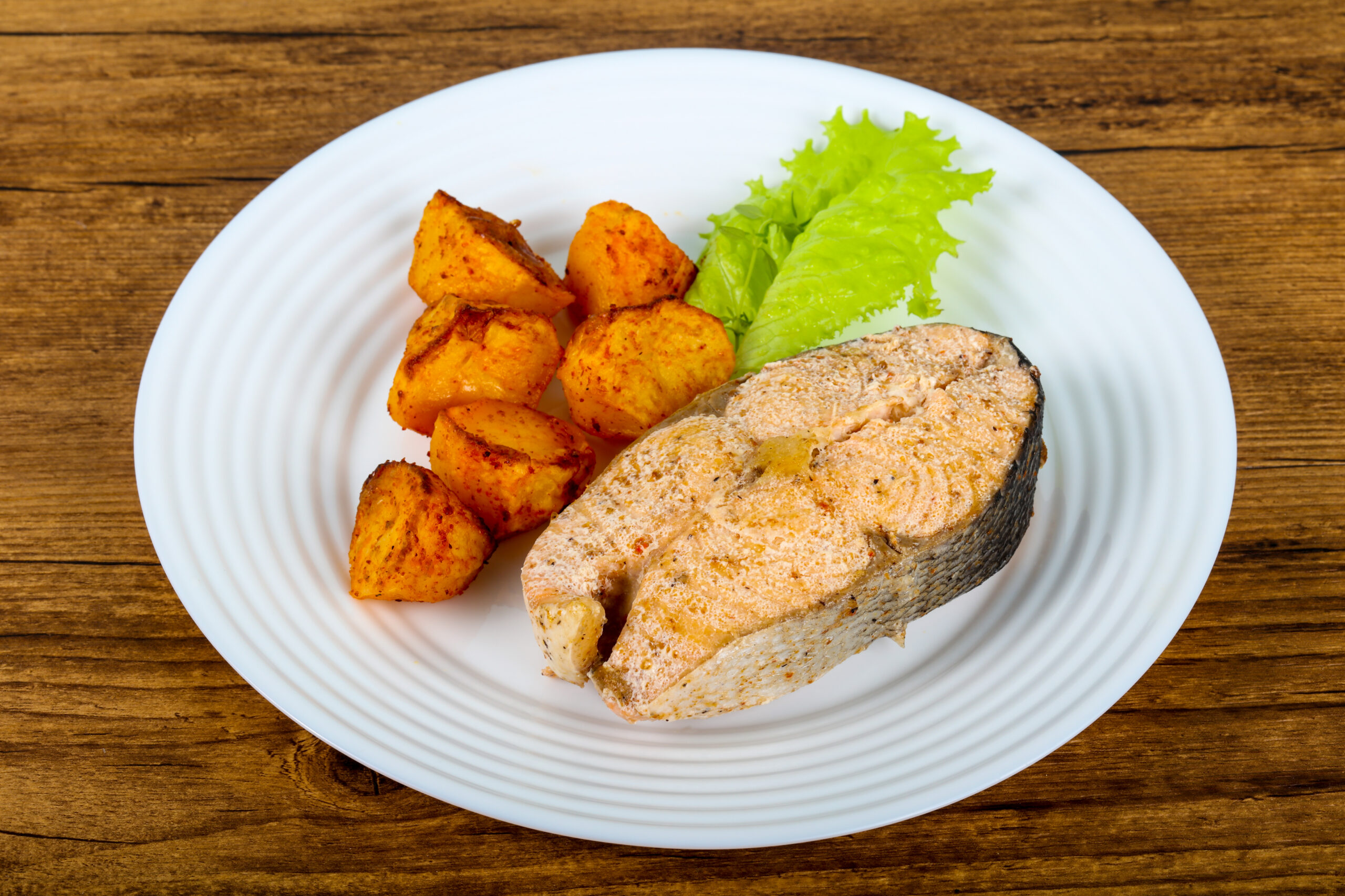
Cooking salmon in an air fryer is one of the easiest ways to get juicy, flaky fish with a crisp exterior in just a few minutes. The exact time depends on the thickness of the fillet, whether it is fresh or frozen, and your air fryer model, but there are reliable time and temperature ranges you can follow for consistently good results.
- 1.Recommended time and temperature for air fryer salmon
- 2.How to prepare salmon for the air fryer
- 3.Step-by-step: how to cook salmon in an air fryer
- 4.How to tell when salmon is done in the air fryer
- 5.Adjusting time for different cuts and preparations
- 6.Resting and serving air fryer salmon
- 7.Common mistakes when timing air fryer salmon
- 8.Quick reference timing guide
Recommended time and temperature for air fryer salmon
For most standard salmon fillets about 1 inch thick, a reliable starting point is 8 to 10 minutes at 400°F (200°C) in a preheated air fryer. This usually brings the salmon to medium doneness, which is moist in the center but fully opaque around the edges. Thicker fillets, very large portions, or skin-on center cuts can need a minute or two longer, while thinner tail pieces may finish a bit faster.
If you prefer your salmon closer to medium-rare, where the center is just slightly translucent, start checking at 7 minutes. For well-done salmon that is fully opaque all the way through, plan for 10 to 12 minutes, checking frequently after the 10-minute mark so you do not overcook it. Getting into the habit of checking early is the safest way to learn how your specific air fryer behaves.
How to prepare salmon for the air fryer
Patting the salmon dry before cooking is an important but often skipped step. Use paper towels to remove surface moisture on both sides, which helps the seasoning stick and allows the exterior to brown slightly instead of steaming. If the fillet has pin bones, remove them with clean tweezers so the fish is easier to eat and cooks more evenly.
Seasoning can be as simple as salt, pepper, and a light coat of oil. A neutral oil with a high smoke point, such as avocado or canola oil, works well. Brush or rub a thin layer on the fish, especially on the flesh side, to help prevent sticking and promote color. From there, you can add lemon, garlic, herbs, a spice rub, or a glaze, as long as you avoid very thick, sugary coatings that can burn at higher air fryer temperatures.
You can cook salmon with or without the skin. Skin-on fillets tend to retain moisture better and are easier to handle when turning or lifting out of the basket. If you plan to eat the skin, cook the fillet skin-side down the entire time so the top surface crisps while the skin protects the underside from overcooking.
Step-by-step: how to cook salmon in an air fryer
Preheating the air fryer
Preheating gives you more predictable cooking times and helps the salmon sear slightly when it goes into the basket. Set your air fryer to 400°F (200°C) and let it run for 3 to 5 minutes before adding the fish. If your model has a preheat function, use that setting. If it does not, manually start the unit at the target temperature and allow a few minutes for it to heat.
Arranging the salmon in the basket
Place the salmon in a single layer in the air fryer basket, skin-side down if the skin is on. Leave space between pieces so hot air can circulate freely around each fillet. Overcrowding the basket can cause uneven cooking and soft, steamed surfaces rather than the lightly crisp edges most people want from air-fried salmon. If necessary, cook in batches rather than stacking pieces or overlapping them.
Cooking times for fresh salmon
For fresh salmon fillets that are about 1 inch thick, cook at 400°F (200°C) for 8 to 10 minutes. Start checking for doneness at the 7-minute mark by opening the air fryer and gently pressing the thickest part of the fillet with the back of a fork. Properly cooked salmon will flake easily and separate into large moist flakes with very little resistance. If it feels very soft and does not flake, close the basket and cook for another 1 to 2 minutes before checking again.
If your fillets are thinner than 1 inch, reduce the time slightly and check earlier, at around 6 minutes. For thicker fillets, especially center-cut portions over 1¼ inches thick, expect 10 to 12 minutes total, but rely on doneness tests instead of the clock alone. Air fryers can run hotter or cooler than their displayed temperature, so experience with your unit matters more than a single universal time.
Cooking times for frozen salmon
You can cook salmon from frozen in an air fryer without thawing, but it will take a bit longer. For frozen fillets of similar thickness, a practical method is to cook at 380°F (193°C) for about 5 to 6 minutes first to start thawing and cooking through the center. After this initial phase, open the basket, pat away any excess moisture that has appeared on the surface, season the fish, then increase the temperature to 400°F (200°C) and cook for another 6 to 8 minutes.
Total time for frozen salmon of average thickness is usually in the 11 to 14 minute range, depending on your air fryer and the size of the fillets. As with fresh salmon, begin checking near the lower end of that range. The fish should flake easily and be opaque in the center, without any icy or raw-looking spots.
How to tell when salmon is done in the air fryer
The most accurate way to know how long to cook salmon in the air fryer for your desired doneness is to use an instant-read thermometer. Insert the probe into the thickest part of the fillet, avoiding contact with the basket. For USDA food safety guidelines, aim for an internal temperature of 145°F (63°C), which yields fully cooked, opaque salmon. Many cooks prefer to remove salmon slightly earlier, at around 125°F to 130°F (52°C to 54°C), and let it rest for a few minutes so carryover heat finishes the cooking and keeps the texture moist.
If you do not have a thermometer, visual and texture cues still work well. Look for flesh that has turned uniformly opaque, with only the faintest hint of translucence in the center if you like it medium. The surface should look slightly firm and the layers of the flesh should separate easily when nudged with a fork. If the edges are starting to dry out or the albumin, the white protein on the surface, is flowing heavily, your salmon is likely on the verge of being overcooked, so remove it promptly.
Adjusting time for different cuts and preparations
The time needed in the air fryer can vary with the cut and preparation technique. Thin tail pieces, small portions, or salmon nuggets cook faster because they have more exposed surface area. These may be done in as little as 6 to 8 minutes at 400°F (200°C), so they require earlier checks. Thick center cuts or fillets folded over themselves will naturally need more time because the heat has to travel further to reach the center.
Marinades and glazes also influence cooking. A wet marinade can slow browning slightly, while a sugary glaze can darken quickly at high temperatures. If you are using a sweet or sticky sauce, consider starting the salmon plain and brushing on the glaze partway through cooking, then monitoring closely from that point. This approach helps you avoid burnt spots while still getting flavor and shine on the surface.
Resting and serving air fryer salmon
Letting salmon rest for a few minutes after air frying improves both texture and flavor. Transfer the cooked fillets to a warm plate and leave them undisturbed for about 3 minutes. During this time, the internal temperature evens out, juices redistribute, and the fish becomes easier to flake cleanly. This short resting period can make slightly undercooked centers finish gently without drying the outer layers.
Serve the salmon soon after resting to enjoy it at its best. A squeeze of fresh lemon, a drizzle of olive oil, or a spoonful of yogurt or herb sauce can complement the richness of the fish without masking its taste. If you plan to use leftovers, cool them quickly, store them in an airtight container in the refrigerator, and reheat gently in the air fryer at a lower temperature, such as 320°F (160°C), for a few minutes so you warm the fish without overcooking it.
Common mistakes when timing air fryer salmon
Two frequent mistakes are not preheating the air fryer and relying only on the manual cooking time without checking the fish. Skipping preheating means the salmon spends too long in gradually rising heat, which can dry the exterior before the center cooks. Following a fixed time without inspecting the fillet risks overcooking because air fryers vary widely in power, basket size, and airflow design.
Another common issue is starting with very cold salmon straight from the refrigerator and expecting it to cook in the shortest possible time. If your fillets are extremely cold or partially frozen in the center, they can need an extra minute or two beyond standard guidelines. Taking salmon out of the fridge 10 to 15 minutes before cooking helps even out the starting temperature and makes your timing more predictable.
Quick reference timing guide
For a practical summary, use these ranges as a starting point and adjust according to your fillet thickness and air fryer:
- Fresh salmon, about 1 inch thick: 8 to 10 minutes at 400°F (200°C)
- Thinner fresh fillets or smaller pieces: 6 to 8 minutes at 400°F (200°C)
- Thicker fresh fillets over 1¼ inches: 10 to 12 minutes at 400°F (200°C)
- Frozen salmon fillets: 11 to 14 minutes total, starting at 380°F (193°C) and finishing at 400°F (200°C)
Use these numbers as guidelines rather than rigid rules. The most reliable way to master how long to cook salmon in your air fryer is to combine these ranges with a thermometer, visual checks, and a bit of trial and adjustment based on your personal taste for doneness.