Understanding how long it takes for mold to grow is essential if you want to prevent damage to your home and protect your health. Mold growth is not random. It follows predictable patterns based on moisture, temperature, and the type of surface involved. Once you know how fast mold can appear, you can respond to leaks, spills, and humidity problems before they turn into bigger issues.
How fast mold starts to grow
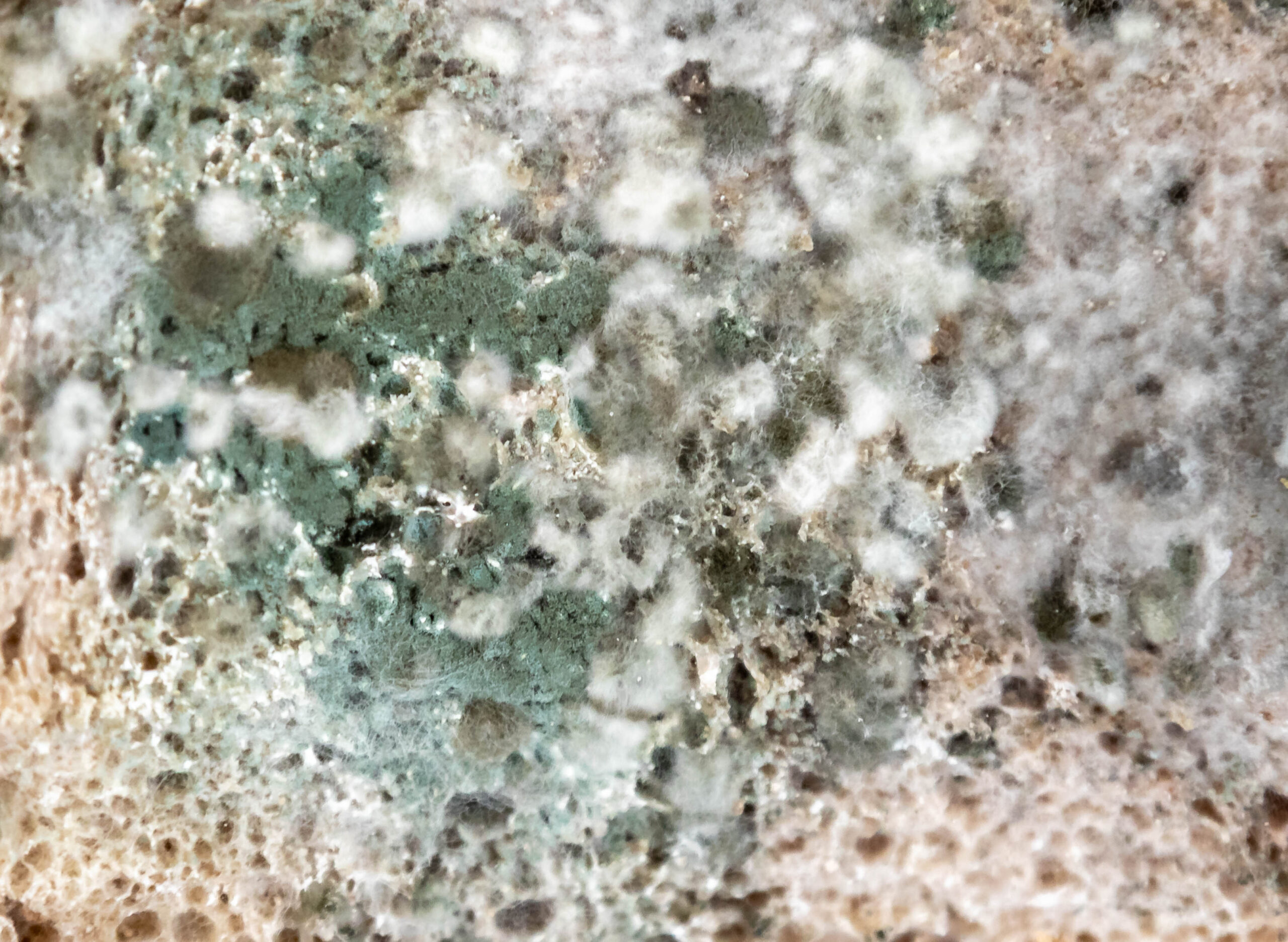
Under ideal indoor conditions, mold can begin to grow within 24 to 48 hours after a surface gets wet. At first this growth is microscopic and not visible to the naked eye. Over the next 1 to 3 days, colonies can develop enough to be visible as spots, discoloration, or a musty odor. In warm, damp, poorly ventilated areas, this process is often on the faster end of the range.
Visible mold often becomes noticeable within 3 to 7 days if moisture is not removed. That is why water damage professionals emphasize drying within the first 24 to 48 hours. Once mold has a foothold, it tends to spread, especially on porous building materials like drywall, insulation, and carpet.
Key conditions that affect mold growth time
Mold growth speed is determined by a combination of moisture, temperature, surface type, and the presence of organic material. If one of these factors is limited, growth will slow or stop. If they all line up, mold can appear quickly.
Moisture and humidity
Moisture is the primary driver of how long it takes for mold to grow. Liquid water from leaks, spills, flooding, or condensation provides ideal fuel for spores that are already present in the air. Relative humidity above about 60 percent significantly increases the risk of mold, even without visible standing water. Constant dampness, such as a chronically wet basement wall or a bathroom that never fully dries, shortens the time it takes for mold to start.
Surfaces that stay wet for more than 24 to 48 hours are at the highest risk. In contrast, a surface that is dried thoroughly within the first day after getting wet is far less likely to support mold growth. Dehumidifiers, exhaust fans, and prompt cleanup have a direct impact on slowing or preventing mold.
Temperature
Most indoor molds grow best between about 70°F and 86°F (21°C to 30°C), which overlaps with typical indoor temperatures. In this range, mold can colonize a damp surface quickly, often within one to two days. Cooler temperatures tend to slow growth, while warmer conditions can speed it up if moisture is available.
Mold does not simply die at low temperatures. It typically goes dormant and can start growing again when temperatures rise and moisture is present. This is why items stored in cool, damp spaces such as basements, garages, or crawl spaces can develop mold once the weather changes.
Surface and material type
Porous materials support mold growth faster than hard, non-porous surfaces. Drywall, paper, cardboard, untreated wood, ceiling tiles, fabrics, and carpets provide both moisture retention and organic matter for mold to feed on. Once these materials get wet and stay damp, mold can start growing within 24 to 72 hours and may penetrate below the surface, making cleanup more difficult.
Non-porous materials like glass, metal, and many plastics do not hold moisture as easily and are easier to clean. Mold can still appear on dust, dirt, or soap film on these surfaces, but it usually takes longer to establish and is less likely to penetrate deeply.
Airflow and ventilation
Poor air circulation allows moisture to linger, which shortens the time it takes for mold to grow. Closets on exterior walls, corners of basements, behind furniture, and under sinks are common locations because air tends to be still and humidity can build up. In contrast, areas with good ventilation dry more quickly, lengthening the time window before mold can establish itself.
Timelines for common situations
Although every building is different, there are typical timeframes for mold growth in common indoor scenarios. Understanding these can help you decide how quickly to act and what to look for.
After a leak or pipe burst
When a pipe bursts or a supply line fails, materials near the leak can become saturated very quickly. If water is not stopped and removed promptly, mold can begin to grow within 24 to 48 hours. Drywall, insulation, and framing behind the leak are particularly vulnerable.
Even if the visible water is mopped up, moisture often remains inside walls, under flooring, or in subfloors. If these areas are not dried thoroughly using fans, dehumidifiers, and sometimes professional drying equipment, mold may appear within several days and continue to spread over weeks.
After a roof leak or window leak
Roof and window leaks often cause slower, repeated wetting rather than a single dramatic event. In these cases, mold may begin to grow behind walls, in ceiling cavities, or around window frames within days, but may not be visible for weeks or months. By the time stains or bubbling paint appear, mold growth is often well established.
Moisture meters and infrared cameras are commonly used by professionals to detect these hidden wet areas. If you suspect a leak, the time to investigate is immediately, even if you only notice a small stain or a faint musty odor.
After flooding
In flood situations, almost all exposed porous materials are at risk. With standing water and high humidity, mold growth often begins within the first 24 to 72 hours and can rapidly cover surfaces in the following days. Because floods typically affect large areas, moisture can be trapped in walls, insulation, wood framing, and subfloors for long periods if not properly remediated.
In many cases, materials like soaked drywall, insulation, and some types of flooring cannot be reliably dried and must be removed within the first few days to control mold. Delays of even a week significantly increase both the extent of mold contamination and the cost and complexity of cleanup.
In bathrooms and kitchens
Bathrooms and kitchens provide frequent moisture from showers, cooking, and washing, which allows mold to develop gradually. In a bathroom without an exhaust fan or with poor ventilation, mold can start forming around caulking, grout, ceilings, and window frames within a few days of repeated dampness. You may first notice darkening grout lines, small specks on caulk, or a musty smell that lingers after the room should be dry.
In kitchens, mold can grow behind sinks, dishwashers, and refrigerators where small leaks or condensation occur repeatedly. It may take weeks or months for visible signs to appear, but the underlying process is the same: repeated wetting that never fully dries gives mold enough time to colonize nearby materials.
How to slow or prevent mold growth
Because mold can begin to grow so quickly, prevention depends on acting within the first 24 to 48 hours whenever you have excess moisture. The goal is to keep surfaces dry, reduce humidity, and remove or repair the source of water as quickly as possible.
Responding within the first 48 hours
In the first two days after any water event, focus on stopping the source, removing water, and drying thoroughly. Turn off the water supply if a pipe has burst and address roof or window leaks as quickly as possible. Remove standing water with a wet vacuum, mops, or pumps, then use fans and dehumidifiers to speed up drying.
For smaller incidents, such as a minor spill or a small leak caught early, drying may be achievable with household fans and opening windows if outdoor humidity is low. For larger events or if walls, insulation, or structural components are wet, professional water damage restoration can make the difference between preventing mold and dealing with a serious infestation later.
Managing humidity and ventilation
Keeping indoor humidity below about 50 percent significantly reduces how quickly mold can grow. Use a dehumidifier in damp areas such as basements, and run exhaust fans in bathrooms and kitchens during and after use. Make sure dryer vents exhaust to the outside and that attic and crawl space ventilation are not blocked.
Moving air across damp surfaces speeds evaporation, which lengthens the window before mold can establish itself. Rearranging furniture away from exterior walls, keeping closet doors slightly open in damp areas, and avoiding over-stuffed storage against walls can help air circulate and reduce localized moisture pockets.
Handling porous materials
Porous materials that have been wet for more than 24 to 48 hours often need special attention. Carpets and padding, for example, can trap moisture against subfloors and may support mold growth underneath even if the surface feels dry. In many water damage scenarios, these materials need to be lifted or removed to allow proper drying.
Wet drywall, insulation, and ceiling tiles are particularly vulnerable. Once they have absorbed water, they dry slowly and often unevenly. If these materials remain damp, mold can form inside wall cavities where you cannot see it. Cutting out and replacing water-damaged sections is often more reliable than trying to dry them in place when they have been wet for more than a short period.
When mold is already visible
If mold is already visible, it has likely been growing for days or longer, even if it looks like a small patch. At this stage, the focus should be on both removing the mold and addressing the conditions that allowed it to grow.
Assessing the extent of growth
Small, isolated areas of mold on non-porous surfaces can often be cleaned by the homeowner if there are no underlying health risks. However, visible mold on porous materials, repeated regrowth after cleaning, or areas larger than a few square feet may indicate a more significant moisture problem or hidden growth behind surfaces.
In those cases, it is wise to consult a professional mold remediation or indoor air quality specialist. They can help identify hidden moisture, test humidity levels, and determine how far mold has spread inside walls, ceilings, or building cavities.
Correcting underlying moisture issues
Cleaning mold without correcting the source of moisture usually leads to recurrence. Fixing leaks, improving drainage around the foundation, increasing ventilation, and managing humidity are all part of a long-term solution. Once the moisture conditions are corrected, the time frame for new mold growth is greatly extended, and in many cases it stops altogether.
For recurring problems, such as a chronically damp basement or bathroom, long-term measures like installing a dedicated dehumidifier, sealing foundation cracks, improving grading and gutters, or upgrading exhaust fans can prevent the quick mold growth that follows every period of high humidity.
FAQ
Can mold grow in less than 24 hours?
Mold spores can begin to germinate in under 24 hours in ideal conditions, but visible mold typically takes at least 24 to 48 hours to develop and several days to become clearly noticeable.
Does mold stop growing when it dries out?
When the moisture source is removed and materials dry, mold growth generally stops, but spores and dormant colonies can remain. If moisture returns, growth can resume without needing new spores from outside.
How long after a leak should I wait to check for mold?
You should check for mold immediately and continue monitoring for several weeks. Most growth related to a single leak appears within the first one to two weeks if materials were not dried properly.