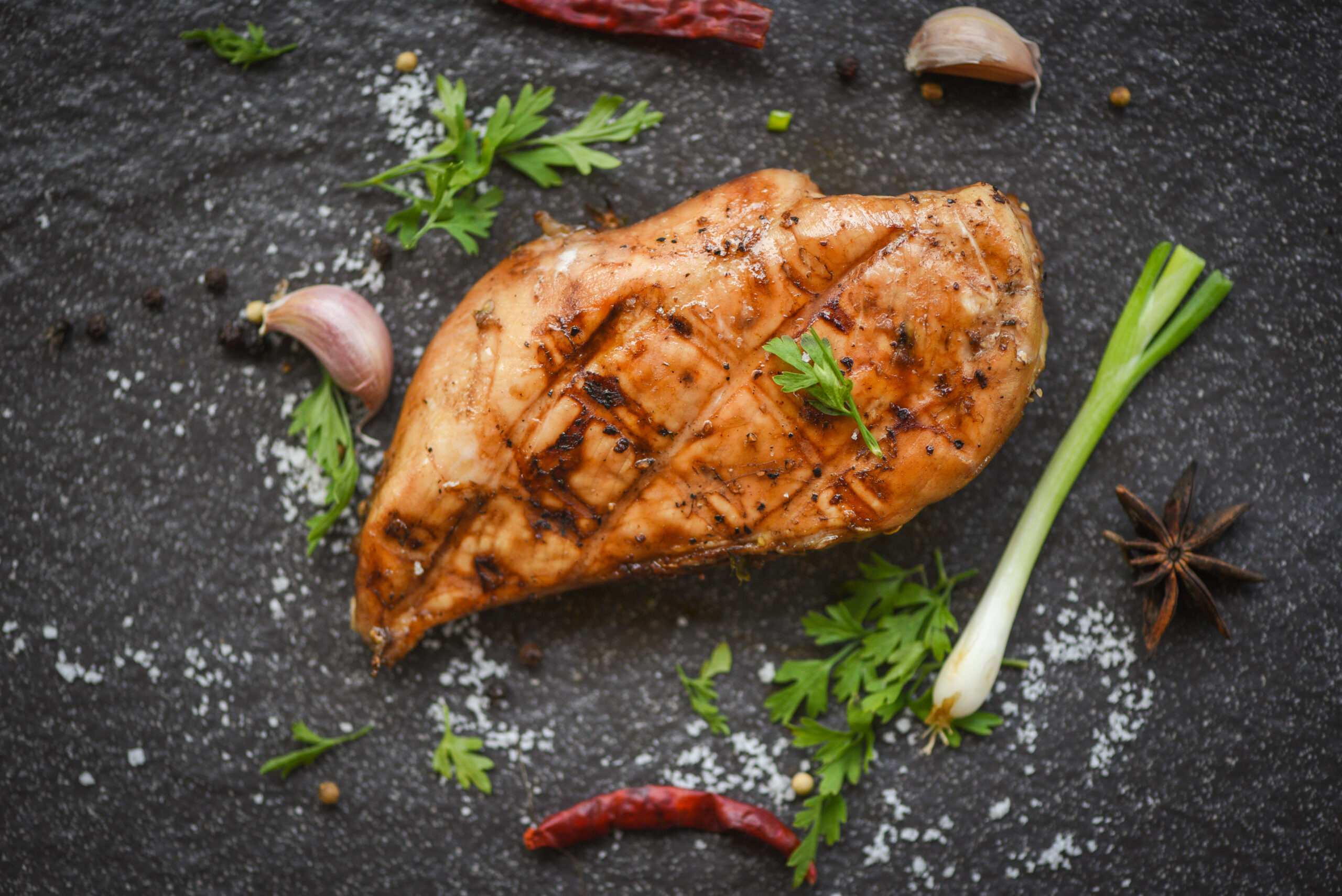
Baking chicken breast at 400°F is one of the easiest ways to get juicy, flavorful meat with a nicely browned exterior. The key is understanding how long to bake it based on thickness, whether it is boneless or bone-in, and if it is fresh or frozen.
- 1.Recommended baking times at 400°F
- 2.How to prep chicken breasts for even baking
- 3.Step-by-step: baking chicken breast at 400°F
- 4.Adjusting time for different types of chicken breasts
- 5.How to keep baked chicken breast juicy at 400°F
- 6.Seasoning and pan choices that support proper cooking time
- 7.Simple example: timing a basic weeknight bake
- 8.FAQs
Recommended baking times at 400°F
For standard boneless, skinless chicken breasts, the typical baking time at 400°F (204°C) is about 18 to 22 minutes. This assumes an average thickness of about 1 inch at the thickest point. Thinner pieces cook faster and thicker pieces need more time, so it is important to adjust based on what is in your pan rather than following a single fixed time.
If your chicken breasts are noticeably thick, closer to 1½ inches, plan on 22 to 26 minutes at 400°F. Very thin cutlets or butterflied breasts can be done in as little as 12 to 15 minutes. Bone-in breasts usually take longer, often 30 to 35 minutes, because the bone slows how quickly heat reaches the center.
Regardless of size or type, always confirm doneness with a food thermometer. Chicken is safely cooked when it reaches an internal temperature of 165°F (74°C) in the thickest part of the breast.
How to prep chicken breasts for even baking
For consistent results, try to start with chicken breasts that are similar in size and thickness. If one is much thicker than the others, it will be undercooked when the thinner pieces are already done. To avoid this, you can gently pound the thicker end with a meat mallet or the bottom of a heavy pan to create a more even thickness. Aim for about ¾ to 1 inch thick so the meat cooks predictably at 400°F.
Pat the chicken dry with paper towels before seasoning. Removing surface moisture helps the outside brown rather than steam in the oven. A light coat of oil also helps browning and keeps the seasoning in place. Season simply with salt, pepper, and a drizzle of olive oil, or add garlic powder, paprika, herbs, or a spice blend, depending on the flavor profile you want. Salting at least 15 to 20 minutes before baking allows the seasoning to penetrate a bit deeper.
Step-by-step: baking chicken breast at 400°F
1. Preheat and prepare your pan
Preheat your oven fully to 400°F (204°C) before putting the chicken in. A properly heated oven helps the outside of the breast set and brown while the inside cooks gently, which reduces the risk of dry, stringy meat. Line a rimmed baking sheet with parchment paper or lightly oil the bottom of a baking dish to prevent sticking and make cleanup easier.
2. Arrange the chicken evenly
Place the seasoned chicken breasts in a single layer on the baking sheet or dish. Leave some space between pieces so hot air can circulate. Crowding the pan makes the chicken release moisture into the pan and can slow browning, which often leads to slightly rubbery texture and uneven cooking. If you have many pieces, use two pans rather than piling them close together.
3. Time and temperature guidelines
Once the chicken is in the oven, use these general time ranges at 400°F as a starting point:
- Thin cutlets (about ½ inch): 12 to 15 minutes
- Average boneless breasts (about 1 inch): 18 to 22 minutes
- Thick boneless breasts (about 1½ inches): 22 to 26 minutes
- Bone-in breasts: 30 to 35 minutes
Set a timer for the lower end of the range and check doneness rather than waiting until the maximum time. Ovens vary, and the exact size of the chicken can shift the cooking time by several minutes either way.
4. How to check for doneness correctly
The most reliable way to know your chicken breast is done is by using an instant-read meat thermometer. Insert the probe into the thickest part of the breast, avoiding any bone if you are cooking bone-in pieces. When the internal temperature reaches 165°F (74°C), the chicken is safe to eat. If it reads lower, return it to the oven and recheck in 2 to 3 minutes.
Visual cues can support, but not replace, a thermometer. Properly cooked chicken will turn opaque and white throughout, with clear juices rather than pinkish liquid. If you prefer slightly juicier meat, you can remove boneless breasts from the oven around 160°F (71°C) and let them rest. Carryover cooking usually brings the temperature up to 165°F while the meat is off the heat.
Adjusting time for different types of chicken breasts
Boneless vs bone-in
Boneless, skinless chicken breasts cook faster because heat penetrates more easily without bone or thick skin. This is why 18 to 22 minutes at 400°F is often enough for standard boneless pieces. Bone-in breasts, especially with skin, act like a small roast and need longer in the oven so heat can travel through the bone and into the center. Expect 30 to 35 minutes, and always verify with a thermometer rather than relying on time alone.
Fresh vs frozen
It is best, both for texture and food safety, to thaw chicken breast fully before baking. Thawed breasts cook more evenly and predictably at 400°F. If you need to bake chicken directly from frozen, you should increase the cooking time by about 50 percent and keep the oven at 400°F or slightly lower. For example, a frozen boneless breast that would normally be done in 20 minutes when thawed might take 30 minutes or more from frozen.
When baking from frozen, avoid very thick pieces if possible, and plan to cover the chicken loosely with foil for part of the time so the outside does not overbrown before the center is fully cooked. Always rely on the internal temperature reaching 165°F to confirm doneness, as timing can vary a lot when starting from frozen.
Small, thin, or sliced pieces
Cutlets, strips, or small diced chicken cook much faster at 400°F. Thin cutlets in a single layer may only need 10 to 12 minutes, while bite-sized pieces in a casserole or sheet pan meal can be done in about 12 to 15 minutes. Because these smaller pieces can overcook quickly, check them early and often, and use a thermometer in a few random pieces to ensure that every piece has reached a safe temperature.
How to keep baked chicken breast juicy at 400°F
Even at 400°F, which is a relatively high oven temperature, you can keep chicken breasts moist by controlling time and using a few simple techniques. The most important factor is to avoid overbaking. Once chicken passes 165°F internally and stays in the oven, the muscle fibers continue to tighten and squeeze out moisture, which leads to dryness. Pulling the meat as soon as it reaches temperature and letting it rest helps preserve its juices.
Lightly coating the breasts in oil before baking creates a barrier that slows moisture loss and encourages a flavorful browned exterior. You can also marinate the chicken for 30 minutes to a few hours beforehand. Acidic components like lemon juice, yogurt, or vinegar, combined with oil and salt, can improve both flavor and tenderness. For an even more consistent result, a simple brine of water and salt for 30 minutes to an hour before cooking helps the meat retain moisture at high heat.
Resting is the final step that many home cooks skip. After removing the chicken from the oven, place it on a plate or cutting board, tent it loosely with foil, and let it rest for about 5 to 10 minutes. This rest period allows the juices to redistribute within the meat so they do not immediately run out when you slice the breast. The result is a noticeably juicier texture even if the chicken was cooked at the higher 400°F setting.
Seasoning and pan choices that support proper cooking time
The pan you use and how you season the chicken can slightly influence cooking time at 400°F. A heavy metal baking sheet or cast iron pan holds and conducts heat more evenly than a thin, flimsy pan. This often leads to more consistent browning and less variation in doneness between pieces. Glass or ceramic baking dishes can run a bit slower because they heat up differently, so you may find the chicken needs a few extra minutes compared with a metal pan.
Thick coatings such as breading, heavy sauces, or cheese coverings can also affect timing. A breaded or heavily sauced breast may take a couple more minutes to reach 165°F in the center because the coating insulates the meat slightly. If you are baking chicken in a creamy sauce or as part of a casserole, rely on temperature checks rather than the plain-breast time ranges, and expect the upper end of the general timing windows to be more accurate.
Simple example: timing a basic weeknight bake
For a typical weeknight dinner using average boneless, skinless breasts, you could follow this straightforward approach. Preheat the oven to 400°F and line a rimmed baking sheet with parchment. Pound any very thick ends slightly so all pieces are close to the same thickness. Pat the chicken dry, rub with olive oil, and season with salt, pepper, garlic powder, and paprika. Arrange the breasts with space between them and place the pan on the middle rack of the oven.
Set a timer for 18 minutes. At that point, check the thickest breast with a thermometer. If it reads between 160°F and 165°F, remove the pan from the oven and tent the chicken with foil to rest. If the temperature is still low, return the pan to the oven, bake for 2 to 3 more minutes, and check again. In most home ovens, this approach will give you moist, fully cooked chicken in a total time of around 18 to 22 minutes.
FAQs
Can I bake chicken breast at 400°F without drying it out?
Yes, as long as you avoid overcooking. Use a thermometer, pull the chicken from the oven as soon as it reaches 165°F, and let it rest for 5 to 10 minutes. Even at 400°F, these steps keep the meat tender and juicy.
Is 400°F better than 350°F for chicken breast?
Cooking at 400°F is faster and usually gives better browning, which adds flavor. Baking at 350°F takes longer and can be more forgiving but sometimes results in a paler exterior. With proper timing and temperature checks, 400°F works very well for chicken breasts.
Can I bake chicken breast from frozen at 400°F?
You can, but you need to extend the baking time by about 50 percent and monitor the internal temperature carefully. For best texture and even cooking, it is still preferable to thaw the chicken before baking.