If you are asking “how much will it cost to fix a chipped tooth,” you are really asking two things: how serious is the damage, and what type of treatment does it require. The answer depends on the size and location of the chip, whether the tooth hurts, and the materials and techniques your dentist uses. Understanding the common options and price ranges will help you plan and avoid unpleasant surprises.
Main factors that affect the cost
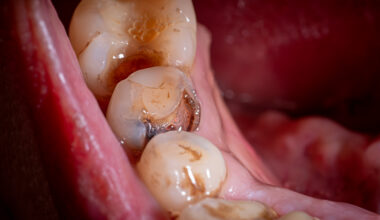
The cost to repair a chipped tooth is rarely a one-size-fits-all number. Dentists look first at how deep the damage goes. A small chip in the enamel that does not affect the nerve is usually simple and inexpensive to repair. A larger break that exposes the inner layers, causes pain, or weakens the tooth will need more advanced treatment and costs more accordingly.
Where the chip is located matters as well. Chips on front teeth are often treated with cosmetic materials that blend with your smile, which can be slightly more costly but deliver better aesthetics. Back teeth endure stronger biting forces, so restorations there often need to be thicker, stronger, and sometimes supported by crowns or onlays.
Your overall oral health also plays a role. If there is existing decay, gum disease, or cracked areas around the chip, your dentist must address those issues at the same time. That can add to the total treatment fee but is usually necessary to get a long-lasting result. Geography and the experience level of the dentist also influence cost, with urban and high-cost-of-living areas usually charging more than small towns.
Typical costs by treatment type
Cost is closely tied to how your dentist chooses to repair the chipped tooth. Below are the most common treatment options and realistic price ranges in many practices. These figures are approximate and can vary by region, insurance coverage, and clinic policies, but they provide a useful starting point.
Smoothing and minor enamel repair
Very small chips that only roughen the edge of a tooth sometimes require nothing more than enamel reshaping or polishing. In this procedure, the dentist gently smooths sharp edges and adjusts the shape so it feels and looks natural. If no filling material is needed, the cost can be relatively low. In some offices, it may be covered as part of a regular visit, while others may charge a modest fee for the time and evaluation.
This option is generally appropriate only when the chip is tiny, there is no sensitivity, and the tooth structure remains strong. Although it is the least expensive route, it is not a solution for larger fractures or chips that affect the way your teeth fit together.
Dental bonding for small to moderate chips
Dental bonding is often the most common way to fix a chipped front tooth. The dentist applies tooth-colored composite resin, shapes it to rebuild the missing portion, and then hardens it with a curing light. The material is then polished to blend with the surrounding enamel. For many patients, this can be completed in a single visit.
For a straightforward chip, bonding is usually on the lower end of the cost spectrum compared with veneers or crowns. The exact fee depends on how much tooth structure needs to be replaced, whether multiple surfaces are involved, and the amount of detail required to match color and shape. Bonding is an excellent balance of function, appearance, and cost for many small to moderate chips, especially on front teeth.
Veneers for cosmetic front tooth chips
When a chipped front tooth also has discoloration, uneven shape, or existing fillings, a porcelain veneer may be recommended instead of simple bonding. A veneer is a thin, custom-made porcelain shell that covers the front surface of the tooth. It can restore shape, color, and alignment appearance in one treatment.
Veneers are more expensive than bonding because they involve a lab-fabricated restoration and typically require at least two visits. The dentist prepares the tooth, takes impressions or digital scans, and fits a temporary covering while the lab makes the final veneer. At the second visit, the permanent veneer is bonded in place. This option is chosen when aesthetics are a priority and when a more durable, stain-resistant solution is desired.
Dental crowns for larger fractures
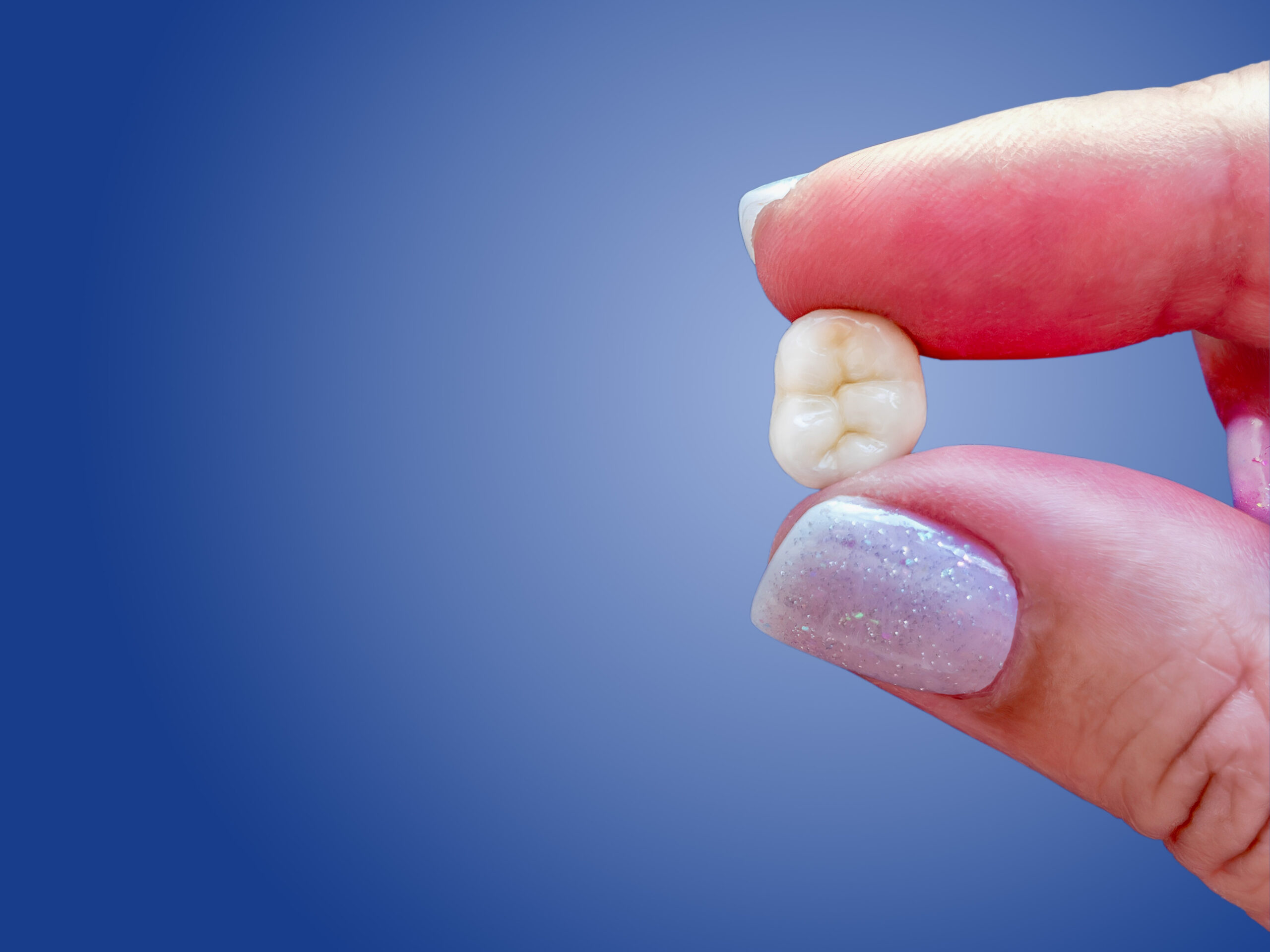
When a tooth has a large chip or fracture, especially on a back tooth, a crown may be necessary. A crown covers the entire visible portion of the tooth, protecting it from further breaking and restoring normal function. Crowns can be made from porcelain, zirconia, porcelain fused to metal, or full metal, and these material choices influence cost.
The process typically involves preparing the tooth, placing a temporary crown, and then cementing the permanent crown at a second visit once it returns from the dental lab. Chairside same-day crown systems are available in some practices and may be priced differently. Crowns are generally more costly than bonding or veneers, but they are often essential to save and protect severely chipped or cracked teeth that would otherwise be at risk of breaking further.
Root canal and crown for chips involving the nerve
If the chip is deep enough to expose the pulp or if the tooth is extremely sensitive to temperature and biting, a root canal treatment may be needed before restoration. In a root canal, the dentist or endodontist removes the damaged or infected nerve tissue inside the tooth, cleans and shapes the canals, and seals them. After that, the tooth usually needs a crown to restore strength and prevent future fractures.
This combination of root canal plus crown is more expensive than surface-level repairs because it involves both a complex internal procedure and a full-coverage restoration. Costs vary based on whether the tooth is a front tooth or a molar and whether a specialist is involved. While it is a more significant investment, it can still be much less costly than extracting the tooth and replacing it with an implant or bridge.
How dental insurance and payment options affect cost
Dental insurance can significantly influence what you pay out of pocket to fix a chipped tooth. Many insurance plans cover basic restorative procedures, such as fillings and simple bonding, at a higher percentage, while major services like crowns, root canals, and veneers may be covered at a lower percentage or classified differently. Cosmetic-only procedures such as purely aesthetic veneers are sometimes not covered at all.
The best way to understand your share is to ask the dental office to submit a pre-treatment estimate to your insurer before you commit to the procedure. This allows you to see what portion the insurance is likely to pay and what your copay or balance will be. Keep in mind that annual maximums, deductibles, and waiting periods can affect your actual coverage.
If you do not have insurance, many practices offer payment plans, in-house membership programs, or third-party financing to spread the cost over several months. Some community clinics and dental schools provide lower fees in exchange for longer appointment times or treatment from supervised students. These options can be helpful if cost is the main barrier to getting a chipped tooth repaired.
How to choose the right treatment level
Deciding what is appropriate for a chipped tooth involves more than picking the lowest price option. Your dentist will look at how much structure is missing, how your teeth bite together, and whether the tooth has existing cracks or large fillings. For a small, painless chip, conservative bonding or polishing often makes the most sense. For a larger break that weakens the tooth, a crown may cost more up front but can reduce the risk of future fractures and repeat treatment.
It is reasonable to ask your dentist to explain at least two options with pros, cons, and estimated longevity. Sometimes there is a clear clinical recommendation, such as when the nerve is exposed and a root canal is necessary. Other times, you may have a choice between a lower-cost repair that may need replacement sooner and a more durable solution that carries a higher initial cost but performs better over time.
What to do immediately after chipping a tooth
Immediate steps will not change the basic price ranges, but they can affect whether the damage worsens and leads to more expensive treatment. If you chip a tooth, rinse your mouth gently with warm water and save any large fragment if you can find it. Place it in milk or saline and bring it with you; occasionally it can be bonded back. If there is bleeding, apply gentle pressure with clean gauze. Over-the-counter pain relievers can help with discomfort, but avoid placing aspirin directly on the gums, as this can burn the tissue.
Call a dentist as soon as possible, even if the chip seems small. Teeth that feel fine at first can become sensitive later, and tiny cracks can propagate under chewing pressure. Early evaluation lets your dentist use the simplest and most cost-effective treatment instead of waiting until a minor issue turns into a major fracture that requires a crown or root canal.
Cost expectations in a real-world scenario
In a typical situation, a minor cosmetic chip on a front tooth might be restored with bonding in a single visit at a relatively moderate fee. A more substantial chip that removes a corner of the tooth and affects your bite might be better served with a veneer or crown at a higher cost. If the tooth is broken deeply and hurts when you bite or when exposed to cold, you may be facing a root canal plus crown, which is at the upper end of the cost spectrum for chipped tooth treatment.
Because every mouth and every fracture pattern is different, it is important not to rely solely on generic price lists. A short, focused exam and x-ray will give you a specific diagnosis and a written estimate tailored to your tooth. With that, you can compare options, confirm insurance coverage, and make an informed decision that balances immediate affordability with long-term durability.
FAQ
Is it always necessary to fix a small chipped tooth?
Not always, but it is wise to have it checked. Very tiny chips that only affect enamel and cause no symptoms may only need smoothing. However, a dentist should evaluate the tooth to rule out hidden cracks or structural weakness.
Can a chipped tooth repair fall off or fail?
Yes, bonded repairs and even crowns can chip or loosen over time, especially if you grind your teeth, bite hard objects, or suffer another trauma. Good oral hygiene, night guards when needed, and avoiding habits like chewing ice will help restorations last longer.
Is bonding cheaper than a crown for a chipped tooth?
In most cases bonding costs less than a crown because it is less invasive and does not require a lab-made restoration. However, for severely damaged teeth, a crown may be the only reliable option and can be more cost-effective in the long run.
Will insurance cover fixing a chipped tooth from an accident?
Many dental plans cover medically necessary repairs from accidents, but the exact coverage depends on your policy. If the injury involved other facial trauma, your medical insurance might also play a role. Your dental office can help you navigate the benefits and submit appropriate documentation.