
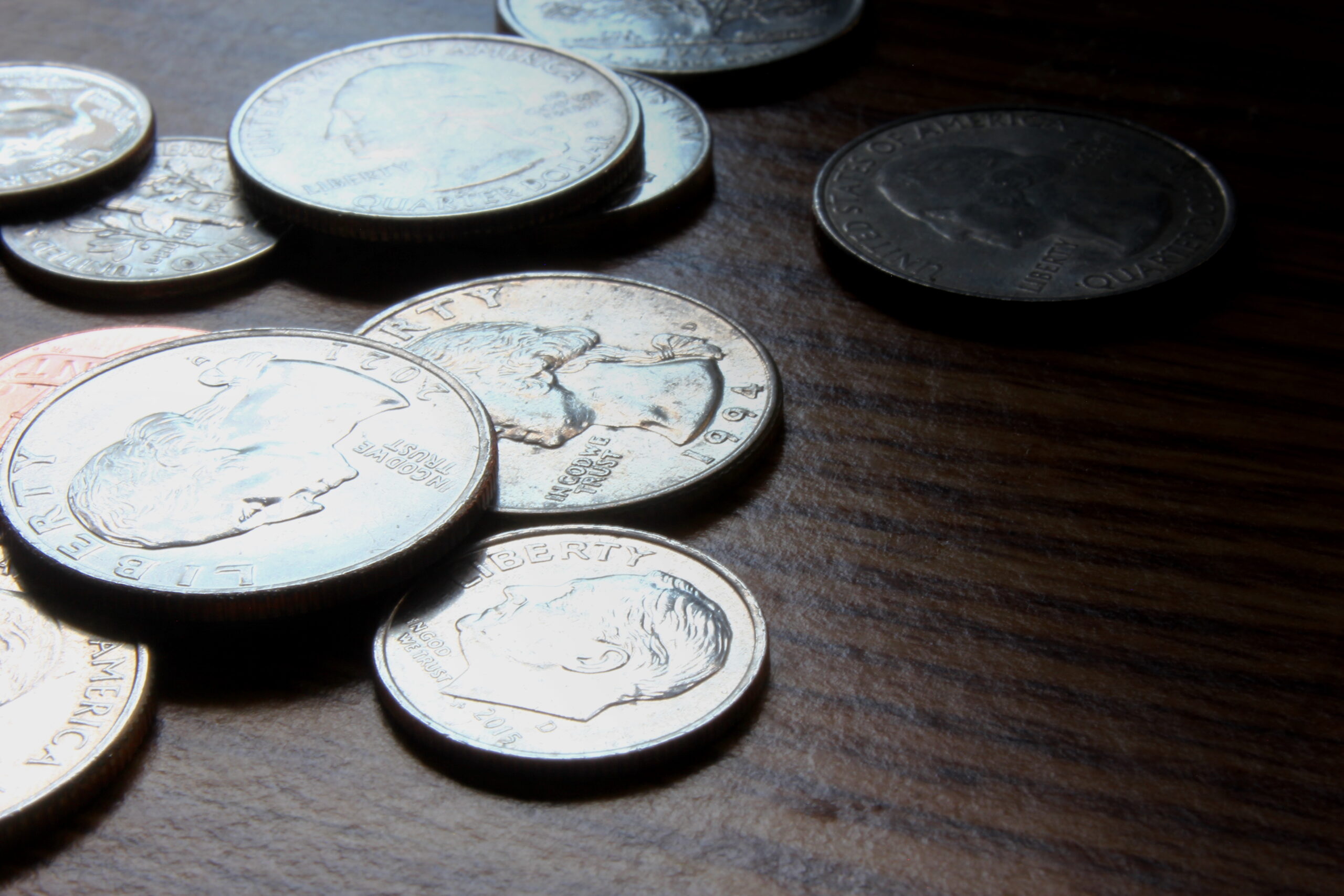
Understanding how much it costs to make a nickel is a useful way to see how modern coins are priced, produced, and managed by the U.S. Mint. While a nickel is worth five cents in face value, its production cost, metal content, and handling expenses tell a more complex story about currency and economics.
- 1.How nickel production cost is calculated
- 2.Metal content and material costs
- 3.Manufacturing and labor expenses
- 4.Distribution and overhead
- 5.Why nickels often cost more than five cents to make
- 6.How the U.S. Mint manages nickel costs
- 7.Possible changes to nickel composition
- 8.How coin cost affects seigniorage and policy
- 9.How to find the current cost to make a nickel
- 10.Practical implications for businesses and consumers
How nickel production cost is calculated
The cost to make a nickel is not just the price of the metal. The U.S. Mint calculates “unit cost” per coin by combining several components: raw materials, manufacturing, labor, energy, packaging, distribution, and overhead. When people ask how much it costs to make a nickel, they are usually referring to this full unit cost rather than just the metal value.
Every year, the U.S. Mint publishes a detailed report that includes the average cost of producing each denomination. These figures change from year to year based on metal prices, energy costs, wage levels, and production volume. As a result, there is no single permanent cost to make a nickel, but rather a moving figure that tracks changes in the broader economy.
Metal content and material costs
A modern U.S. nickel is made from a copper-nickel alloy, not pure nickel. Since 1866, the standard composition has been 75% copper and 25% nickel. The coin weighs 5 grams, so each nickel contains 3.75 grams of copper and 1.25 grams of nickel. The cost of this metal content is one of the biggest variables in the overall production cost.
Metal prices are set on global commodity markets. When copper or nickel prices rise sharply, the material cost per coin increases quickly. There have been periods when the value of the metals in a nickel came close to, or even exceeded, the coin’s five-cent face value. When this happens, concerns about “negative seigniorage” and potential melting or hoarding increase, and policymakers pay closer attention to the economics of coin production.
Manufacturing and labor expenses
Once raw materials are acquired, they must be processed into coin blanks, struck with designs, inspected, and prepared for circulation. These manufacturing steps require specialized equipment, skilled staff, maintenance, and quality control. Labor and industrial operations add a significant layer of cost beyond the raw metal.
The U.S. Mint operates multiple facilities that handle different parts of the process. Blanks are produced, transported to coining presses, and then struck as finished nickels. Each step uses electricity, equipment wear and tear, and human oversight. Even if metal prices were stable, manufacturing and labor costs alone would ensure that the total cost of a nickel remains meaningfully above the value of the alloy itself.
Distribution and overhead
Producing a nickel does not end at the Mint. Finished coins must be packaged, shipped, and distributed to Federal Reserve Banks and then on to commercial banks and businesses. Transportation costs include fuel, logistics planning, security, and insurance.
Overhead is another part of the equation. Administrative costs, facility operations, research and development, and security all contribute to the full cost per coin. The U.S. Mint spreads these overhead expenses across the total volume of coins produced. If fewer coins are made in a given year, the overhead portion per coin can rise, affecting the apparent unit cost of each nickel.
Why nickels often cost more than five cents to make
In many recent years, official U.S. Mint reports have shown that the cost to produce a nickel has been higher than its face value. This situation is known as negative seigniorage, where the government effectively loses money on each coin it produces.
Negative seigniorage happens when metal, energy, and labor costs rise faster than any efficiency gains at the Mint. Because the face value of the coin is fixed at five cents, any increase in production costs above that figure is a direct loss for that denomination. While seigniorage on other coins and currency can offset these losses, persistent negative seigniorage for nickels triggers ongoing discussion about design and composition changes.
How the U.S. Mint manages nickel costs
The U.S. Mint and policymakers continuously study ways to manage or reduce the cost of making nickels without disrupting commerce. This involves tracking metal markets, reviewing manufacturing processes, and analyzing the behavior of businesses and consumers who use coins daily.
Measures to manage costs typically include improving production efficiency, negotiating better contracts for raw materials, and investing in newer, more energy-efficient equipment. In addition, the Mint works with the Treasury and Congress on longer-term legislative options, such as changing the coin’s metal composition if warranted by ongoing cost trends.
Possible changes to nickel composition
One of the most direct ways to reduce the cost of making a nickel is to change the metals used. Studies have been conducted on alternative alloys that could lower material cost while maintaining key qualities such as durability, appearance, and compatibility with vending machines, parking meters, and coin-operated equipment.
Any change in composition must balance multiple concerns. Coins must remain recognizable to the public, work seamlessly with existing coin validation systems, and resist counterfeiting. Because of these constraints, the transition to a cheaper alloy, if it happens, requires careful planning, testing, and coordination with industry stakeholders. This complexity helps explain why changes are studied for years before any modification is implemented.
How coin cost affects seigniorage and policy
The relationship between the cost to make a nickel and its face value feeds directly into seigniorage, which is the difference between what the government earns by issuing money and what it spends producing it. For coins with low production costs relative to face value, seigniorage is positive and can help cover the losses from more expensive coins like nickels and pennies.
When the cost of making a nickel remains above five cents for extended periods, it becomes part of a larger policy conversation about modernizing U.S. coinage. Lawmakers may look at eliminating certain denominations, altering compositions, or encouraging electronic payments to reduce reliance on costly coins. While such changes are slow and often controversial, the persistent production cost of a nickel is a key data point in those discussions.
How to find the current cost to make a nickel
If you want the most current figure for how much it costs to make a nickel, the most reliable source is the U.S. Mint’s annual report. The Mint typically publishes detailed financial and operational data, including the average cost per unit for each circulating coin denomination.
To find up-to-date numbers, check the U.S. Mint’s official website and look for its annual report, often titled along the lines of “Annual Report” or “Circulating Coinage Report.” In that document, search for the section that breaks down costs by denomination, where the nickel’s production cost will usually be presented as an average cost per coin for the fiscal year. Comparing several years of these reports can help you see how metal prices, inflation, and operational changes have affected the cost to make a nickel over time.
Practical implications for businesses and consumers
For most consumers, the exact cost to produce a nickel will not change daily behavior, but understanding it can clarify why some businesses and policymakers push for coin reform. Retailers and banks that handle large volumes of coins may watch these discussions closely, as changes to coinage can affect counting systems, coin-handling equipment, and cash workflows.
If you operate vending machines, parking meters, laundromats, or any business that relies on coin acceptance, staying aware of potential changes to nickel composition or circulation policy is practical. Industry trade groups, Mint announcements, and equipment manufacturers will usually provide guidance well in advance if any modifications that affect nickel acceptance are likely. This allows time to plan upgrades, recalibrate machines, or adjust pricing structures if needed.
Key takeaways about nickel production cost
Ultimately, the cost to make a nickel is a combination of metal value, manufacturing, labor, logistics, and overhead. In many recent years, that total has exceeded five cents per coin, creating negative seigniorage and prompting serious discussion about coinage reform. By following official Mint reports and understanding the forces behind production costs, you can track how this small coin fits into the larger picture of U.S. currency and public finance.