
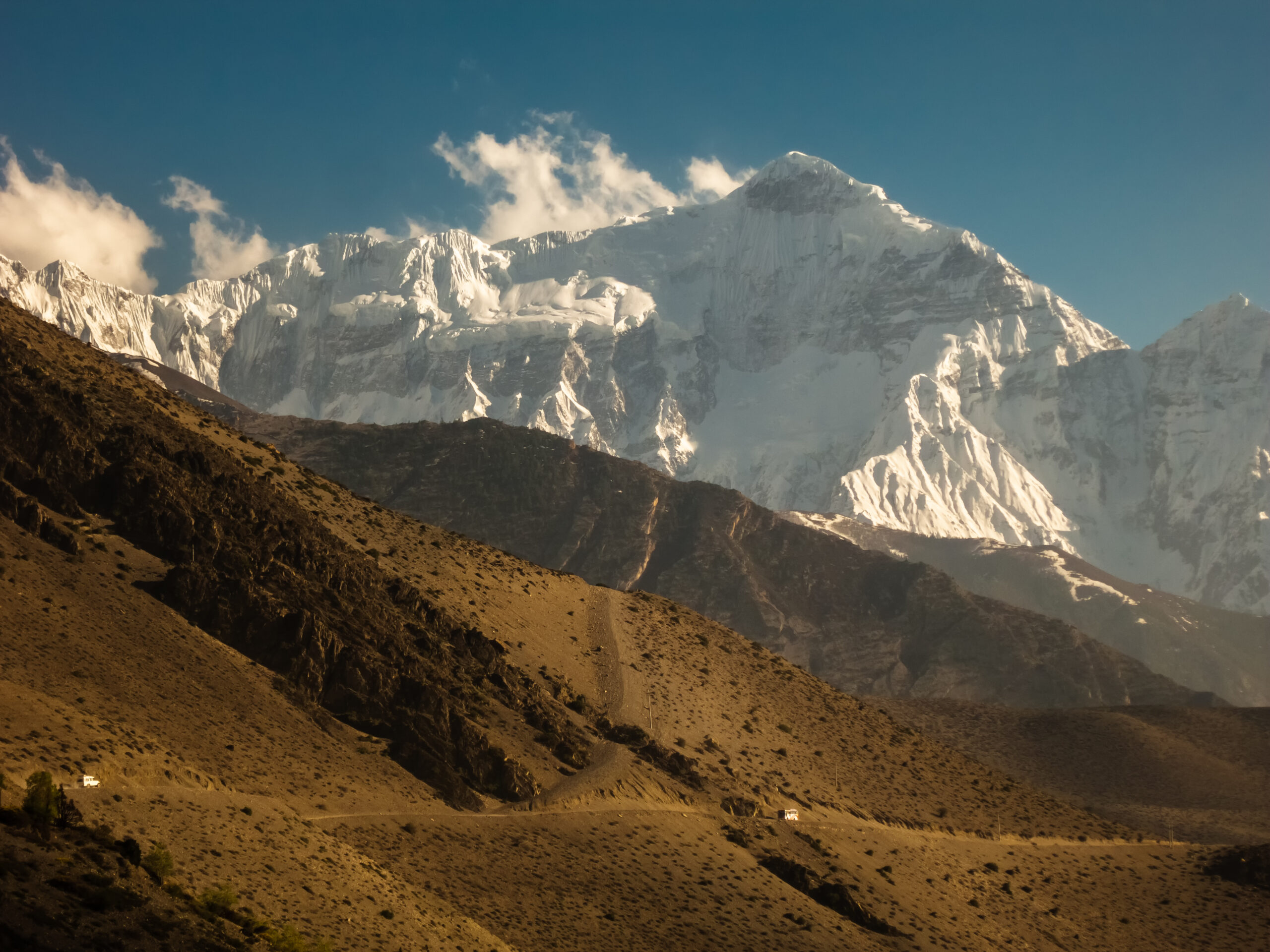
Climbing Mount Everest is not a quick adventure. From arriving in the region to standing on the summit and returning safely, most expeditions take around two months. Understanding how this time breaks down helps you plan realistically, prepare properly, and reduce risk.
Typical timeline to climb Mount Everest
For most climbers joining a guided expedition via the standard routes, the full duration from arrival in Nepal or Tibet to departure is usually 6 to 9 weeks. The core climbing period on the mountain itself, from Base Camp arrival to final departure from Base Camp, is typically 5 to 7 weeks.
Expeditions normally run between early April and early June for the spring season, which offers the most stable weather and the highest chance of a summit window. A smaller number of highly specialized expeditions attempt Everest in autumn, but conditions are generally harsher and the season shorter.
Key phases of an Everest climb
Travel and approach trek
If you climb from the Nepal side via the Southeast Ridge, you usually fly into Kathmandu first, then on to Lukla. From there, the classic trek to Everest Base Camp takes about 8 to 12 days, depending on the itinerary and how conservatively you acclimatize. Commercial treks often include one or two rest and acclimatization days in Namche Bazaar or Dingboche, which is essential for most people coming from low altitude.
From the Tibet side via the North Ridge, the approach is vehicle based. After arriving in Lhasa or Kathmandu and obtaining permits, you travel by road to Chinese Base Camp and then to the higher Advanced Base Camp. This approach is less physically demanding than the Nepal trek but still takes around a week when done with proper acclimatization stops.
Settling into Base Camp
Once you reach Base Camp, most teams spend 3 to 7 days adjusting to the altitude, organizing equipment, and running through safety drills. On the Nepal side, Base Camp sits at around 5,364 meters (17,598 feet), which is already high enough to affect sleep, appetite, and energy levels. During this period, guides watch how each climber responds to altitude and may adjust the schedule accordingly.
This phase feels slow, but it is critical. Rushing into the higher camps too soon is one of the most common mistakes and can lead to altitude sickness and a shortened expedition.
Acclimatization rotations
Acclimatization rotations up and down the mountain take the bulk of the time on Everest. These rotations allow your body to adapt gradually to decreasing oxygen levels at higher camps. The standard pattern is to climb to a higher camp, sleep there one or more nights if conditions and health allow, then descend back to Base Camp to recover.
On the Nepal route, climbers typically complete two or three rotations through the Khumbu Icefall to Camps 1 and 2, and often a night at Camp 3, before attempting the summit. On the Tibet side, rotations move through Intermediate Camp and Advanced Base Camp up toward the higher North Col and beyond. Each rotation usually lasts 3 to 7 days, followed by 3 to 5 days of rest at Base Camp.
In total, these acclimatization cycles often account for 3 to 4 weeks of the expedition. Weather delays, route fixing by Sherpa teams, and individual health issues can lengthen this period. It is normal for plans to change on short notice based on conditions.
Waiting for a summit window
After the main acclimatization rotations are complete, teams wait for what is called a summit window. This is a short period of relatively stable weather with lower winds, acceptable temperatures, and manageable avalanche risk. Good summit windows on Everest are usually just a few days long and often appear in mid to late May.
The waiting period is unpredictable. Some seasons offer a clear forecast and teams can move quickly. Other years bring long stretches of high winds or heavy snowfall, forcing climbers to stay at Base Camp or lower camps for extended periods. It is common to spend 3 to 10 days waiting for the right window, and in difficult seasons it can be longer.
Summit push and descent
When a reliable summit window appears, guides plan the summit push. From Base Camp to the summit and back typically takes 4 to 7 days, depending on the route and strategy. A typical summit push from the Nepal side might look like:
- Base Camp to Camp 2: 1 to 2 days
- Camp 2 to Camp 3: 1 day
- Camp 3 to Camp 4 (South Col): 1 day
- Summit from Camp 4 and back to Camp 4: 1 very long day
- Descent from Camp 4 to Base Camp: 1 to 2 days
The Tibet route uses a similar multi-day staging through high camps on the North Ridge. Actual schedules vary by expedition, weather, and individual climber performance. Descending safely is as important as reaching the top; many accidents occur on the way down when climbers are exhausted and conditions deteriorate.
Why it takes so long
Acclimatization needs
The main reason climbing Everest takes weeks rather than days is the need for safe acclimatization. At extreme altitudes, your body requires time to adjust to reduced oxygen levels. Skipping this process increases the risk of acute mountain sickness, high-altitude pulmonary edema, and high-altitude cerebral edema, all of which can be fatal.
Acclimatization is not just about spending nights high on the mountain. It also involves strategic descents to lower altitude for recovery, which is why the schedule includes repeated returns to Base Camp between rotations. This up-and-down pattern might look inefficient, but it is a proven system that significantly improves your chances of a safe summit.
Weather and route conditions
Unpredictable weather adds significant time to an Everest expedition. Jet stream winds, storms, and heavy snowfall can close the route, increase avalanche risk, or make temperatures too cold to climb safely. Teams often remain in Base Camp for multiple days or even weeks waiting for conditions to improve.
On the Nepal side, the Khumbu Icefall is constantly moving and changing. Sherpa teams must regularly repair and refit ladders and safety lines, which can delay upward progress. On the Tibet side, strong winds on the exposed North Ridge can halt movement even if the sky is clear. Flexibility in the schedule is essential, and that flexibility is one reason expeditions are planned for up to two months.
Logistics and support
Everest is a large, complex operation. Setting up and maintaining multiple camps, ferrying supplies, and managing oxygen systems all take time. Sherpa teams and support staff work ahead of climbers to establish safe routes, stock camps, and handle emergencies. Climbers often spend extra days at Base Camp while higher camps are being prepared or restocked.
Permits, briefings, and health checks also factor into the overall duration. Authorities in Nepal and China require various safety and environmental protocols, which expedition leaders must coordinate before and during the climb.
Factors that change how long it takes
Route choice and style
The Southeast Ridge (Nepal side) and the North Ridge (Tibet side) are the two main routes on Everest. Timelines for both are broadly similar, but North Ridge expeditions sometimes involve a slightly longer acclimatization period at Advanced Base Camp and the higher camps because of different altitude profiles and weather patterns.
Climbing style matters as well. Most modern climbers join guided, supported expeditions using supplemental oxygen, which allows a more predictable schedule. Extremely experienced alpinists attempting no-oxygen ascents or new routes may require more time on the mountain to acclimatize and wait for very specific conditions.
Experience and fitness
Well-prepared climbers with high-altitude experience can move more efficiently during rotations and summit push days. However, even for very fit climbers, acclimatization time cannot be reduced beyond what is medically reasonable. The main advantage of higher fitness is spending fewer hours exposed during each climbing day, not cutting the expedition in half.
Less experienced climbers, or those who struggle with altitude, may need slower ascent rates, more rest days, and potentially an extended acclimatization schedule. Responsible guides build some contingency into the plan to account for this.
Use of pre-acclimatization programs
Some climbers use pre-acclimatization systems at home, such as hypoxic tents or altitude training camps, to reduce time needed on the mountain. These methods can sometimes shorten the stay at Base Camp or the number of rotations, but they do not eliminate the need for on-mountain acclimatization entirely. Expedition leaders still adjust the plan based on actual performance and health at altitude.
Planning your time commitment
Minimum realistic duration
For most people joining a commercial expedition, you should plan for at least 7 to 8 weeks from home departure to return, including travel days, administrative time in Kathmandu or Lhasa, the trek or drive in, the climb itself, and some margin for delays. Trying to compress this into a much shorter window increases pressure on decision-making and reduces your ability to wait out bad weather or recover from minor health issues.
Building a margin for delays
Weather, route conditions, and health are not fully predictable on Everest. It is wise to arrange your travel with at least several extra days on either side of the advertised expedition dates. Flight cancellations, road closures, and local logistical issues can add unexpected time, especially in the Himalaya.
Financially and professionally, plan as if you will be away for the full maximum length of the expedition and a buffer. That means informing employers, family, and any teams you manage that you may have limited communication and uncertain return dates. This reduces stress and lets you focus fully on the climb.
Common time-related mistakes to avoid
One of the biggest mistakes is underestimating how mentally demanding it is to spend weeks at high altitude with repeated periods of waiting. Boredom, impatience, and “summit fever” can push climbers to make poor decisions just to avoid extending the trip. Going in with realistic expectations about the time commitment helps you stay patient and prioritize safety.
Another frequent error is tying your timeline too rigidly to a fixed return date. If you must get home by a specific day, you might feel pressure to attempt a summit in marginal conditions or skip rest days. Whenever possible, give yourself flexibility so that you and your guides can choose the safest and most sensible schedule based on real-time conditions, not airline tickets.
FAQ
Can you climb Mount Everest in less than a month?
Only a very small number of highly experienced, pre-acclimatized climbers using specialized programs and logistics manage sub-month Everest ascents. For a standard guided client, less than a month on the mountain is neither realistic nor safe.
How long is the actual summit day on Everest?
Summit day typically lasts 10 to 18 hours round trip from the high camp, depending on route, conditions, and individual pace. Climbers usually leave late at night and aim to be off the summit by early afternoon.
How many days do you spend in the “death zone”?
Most guided expeditions limit time above 8,000 meters to 1 to 3 days, including the night before summit day and, if needed, an additional night during descent. Minimizing time in this zone is a key safety priority.