Understanding how long it takes for a cavity to form is important if you want to prevent tooth decay before it turns into a painful or expensive problem. While there is no single exact timeline that fits everyone, there are clear stages and factors that influence how fast a cavity can develop.
What a cavity actually is
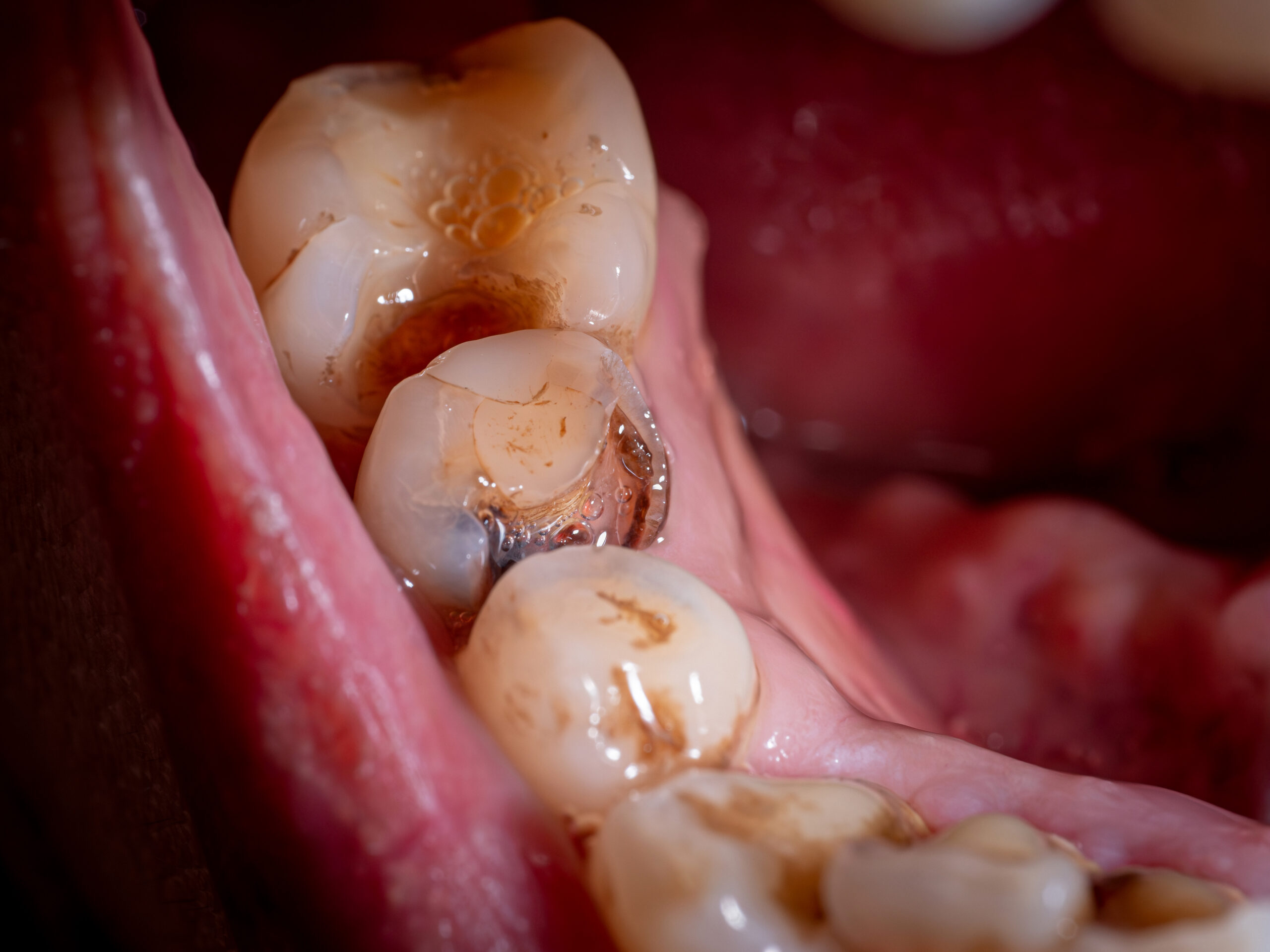
A cavity is a permanent hole in your tooth caused by tooth decay. It starts when bacteria in your mouth feed on sugars and carbohydrates, producing acids that weaken your enamel. Over time, this mineral loss can progress from a small, invisible soft spot into a visible hole that may require a filling, crown, or more complex treatment.
Cavities do not appear overnight. They pass through stages, beginning with early enamel demineralization, then advancing into deeper enamel damage, then into the dentin layer beneath, and finally, in severe cases, into the tooth’s pulp. The earlier in this process you intervene, the more likely it is that you can stop or even reverse the damage.
Typical timelines for cavity formation
For most healthy adults with average oral hygiene, it usually takes many months to several years for a cavity to form from the first signs of demineralization. However, the timeline can be much faster in certain situations, such as in people with high sugar intake, dry mouth, or poor brushing habits.
Early enamel changes can begin within days to weeks of repeated acid attacks if plaque remains on the teeth. Visible white spots indicating early decay may appear over several months. Once decay penetrates through the enamel into the softer dentin, the process usually accelerates, and the cavity can grow more quickly over the course of months, not years.
Short-term vs long-term changes
In the short term, every time you eat or drink something sugary or starchy, acids soften the enamel surface for about 20 to 30 minutes. Saliva and fluoride can help your teeth re-harden between these acid attacks. If your teeth get enough protection and recovery time, a cavity may never form. If they do not, repeated daily attacks accumulate and the damage progresses.
Over the long term, the balance between damage and repair determines how quickly a cavity develops. Someone with excellent brushing, flossing, and fluoride use may stay in a “net repair” state for years, even with some risk factors. Someone with constant snacking, sipping sugary drinks through the day, and poor hygiene can tip into “net damage,” and in that scenario, a cavity can form noticeably faster.
Key factors that affect how fast cavities form
There is no universal timeline because cavity formation depends on a combination of biological, lifestyle, and environmental factors. Understanding these helps you judge your own risk and what you can change.
Oral hygiene habits
Brushing twice a day with fluoride toothpaste and flossing daily slows cavity formation by removing plaque and food particles and by delivering fluoride to enamel. If you rarely brush or miss plaque-heavy areas, acids remain in contact with your enamel much longer, which can significantly speed up the process. Inconsistent brushing, especially skipping nighttime brushing, gives bacteria many uninterrupted hours to work on your teeth.
Diet and snacking frequency
What you eat and how often you eat it are major drivers of cavity speed. Sugary drinks, frequent snacks, sticky candies, and refined carbohydrates feed cavity-causing bacteria. The problem is not only the amount of sugar but how often your teeth are exposed. Sipping soda or sweetened coffee throughout the day is more damaging than having the same amount of sugar in a short, single sitting, because frequent exposure means your enamel spends more time in an acid-softened state.
Fluoride exposure
Fluoride strengthens enamel and helps reverse early mineral loss, slowing or halting early cavity formation. Regular use of fluoride toothpaste, mouth rinses as recommended, and drinking fluoridated water can extend the time before a cavity develops or even prevent it entirely in early stages. Without adequate fluoride, weak spots in enamel are more likely to progress into full cavities.
Saliva quantity and quality
Saliva is a natural defense against cavities. It washes away food debris, buffers acids, and delivers minerals like calcium and phosphate back to enamel. People with dry mouth, whether from medications, medical conditions, mouth breathing, or dehydration, have less natural protection. In those cases, cavities can progress much faster, sometimes within months, even with what appears to be a reasonable diet.
Tooth anatomy and existing dental work
Deep grooves, pits, and crowded teeth are harder to clean and tend to trap plaque, which can accelerate decay. Old fillings, crowns with gaps, and worn dental work can also collect bacteria and food particles. In these areas, cavities can form and spread more quickly than on smooth, easy-to-clean surfaces.
Age and overall health
Children and teenagers often develop cavities faster because their enamel may be slightly less mineralized and their diets and hygiene routines are often less consistent. Older adults can also be at higher risk, especially if they take medications that cause dry mouth or have gum recession that exposes the softer root surfaces. Conditions like diabetes, eating disorders, or gastrointestinal reflux can further affect how quickly cavities form.
How cavities progress through stages
Although timelines vary, cavities typically follow a predictable pattern as they deepen. Recognizing the stages helps you understand where action can still prevent more serious damage.
Stage 1: Early enamel demineralization
At this earliest stage, acids remove minerals from the outer enamel. You may not feel any symptoms, and the tooth can look normal or show a faint white, chalky spot. This stage can last months to years. With good brushing, flossing, fluoride exposure, and reduced sugar intake, these early changes can often be stopped or partially reversed without drilling.
Stage 2: Established enamel decay
If acid attacks continue and minerals are not replaced, the weakened enamel surface eventually breaks down. A small cavity begins to form, though it may still be difficult to see or feel. At this point, the damage is often permanent, but the cavity may still be limited to the enamel. Dentists may recommend a small filling depending on the size and location. The transition from early demineralization to a true enamel cavity can happen over many months.
Stage 3: Decay reaching dentin
Once decay penetrates the enamel and reaches the dentin layer underneath, it typically spreads more rapidly because dentin is softer and less mineralized. Sensitivity to sweets, cold, or biting pressure may start at this stage. At this point, the cavity usually requires a filling, and delaying treatment allows it to grow faster. This progression from enamel to dentin can occur over months, especially if risk factors are not addressed.
Stage 4: Deep decay and pulp involvement
If decay continues unchecked, it can reach the pulp, where the tooth’s nerve and blood supply are located. Pain can become severe and spontaneous, and infection or an abscess may develop. At this stage, treatment often involves root canal therapy or, in some cases, extraction. The progression from dentin involvement to pulp damage can sometimes happen in less than a year in high-risk situations.
How to slow or stop a cavity from forming
You cannot always control every risk factor, but you can significantly influence how quickly cavities develop by adjusting daily habits and working with your dentist. The goal is to tip the balance toward remineralization and away from ongoing damage.
Improve daily oral hygiene
Brush your teeth twice a day for two full minutes with a fluoride toothpaste, paying special attention to the gumline and the grooves of your molars. Use a soft-bristled toothbrush and replace it every three to four months or sooner if the bristles fray. Floss once a day to clean between teeth where cavities often start. If you struggle with flossing, consider alternatives like interdental brushes or a water flosser.
Adjust eating and drinking habits
Try to limit sugary or starchy foods and drinks to mealtimes instead of constant grazing. If you do have sweets, finish them in a short period rather than stretching them out over hours. Rinse your mouth with water after eating, especially after consuming sugary, acidic, or sticky foods. Avoid sipping sugary drinks, juice, or sweetened coffee throughout the day, and favor water between meals.
Use fluoride strategically
Make sure your toothpaste contains fluoride and avoid rinsing your mouth vigorously with water immediately after brushing, so the fluoride can stay on your teeth longer. If you have a higher risk for cavities, ask your dentist about prescription-strength fluoride toothpaste, fluoride mouth rinses, or in-office fluoride treatments. These can significantly slow or halt early decay.
Manage dry mouth
If you experience persistent dry mouth, discuss it with your dentist or physician. Review your medications, stay well hydrated, and avoid tobacco and excessive alcohol, which can worsen dryness. Sugar-free gum or lozenges with xylitol can stimulate saliva and help neutralize acids. In more serious cases, saliva substitutes or prescription treatments may be recommended.
Schedule regular dental checkups
Professional exams and cleanings every six months, or more often if advised, allow your dentist to spot early changes that you cannot see or feel. X-rays are often needed to detect cavities between teeth or under old fillings. Catching problems in the earliest stages can prevent small weak spots from turning into full cavities, or at least allow treatment to stay more conservative and less costly.
How to tell if a cavity is forming
Many cavities develop silently at first, so you should not wait for pain before taking action. Still, there are early warning signs that can suggest a cavity is forming. Mild sensitivity to cold, sweets, or brushing in one area of your mouth can indicate early dentin involvement. A visible white, brown, or dark spot that does not brush away may also point to decay.
If food consistently gets trapped in the same spot between teeth, or you notice a small rough area with your tongue, that can also suggest a cavity. These signs do not reveal exactly how long the cavity has been forming, but they are cues to see a dentist promptly rather than waiting for the pain to worsen.
Realistic expectations about cavity timelines
For most people with average risk, it can take many months to a few years for a cavity to form and progress to the point where it causes symptoms. However, in high-risk situations involving dry mouth, frequent sugar intake, poor hygiene, or existing deep pits and grooves, the process can be much faster. You should think of cavity formation not as a fixed schedule, but as a balance that you can influence daily.
The practical takeaway is that consistent prevention can slow or halt early decay, while postponing care allows small problems more time to develop. Regular checkups, smart daily habits, and timely treatment together give you the best chance to prevent a minor weak spot from turning into a serious cavity.
FAQ
Can a cavity form in a few months?
Yes, in high-risk situations a cavity can develop in a matter of months, especially if there is dry mouth, frequent sugar intake, or poor brushing and flossing. In lower-risk individuals, it typically takes longer for decay to progress.
Can early cavities be reversed?
Very early enamel demineralization can sometimes be stopped or partly reversed with good hygiene, fluoride, and dietary changes. Once a true hole forms in the enamel, the damage is permanent and usually needs a filling.
Do cavities always hurt right away?
No, many cavities cause no pain until they are fairly deep. Pain often appears only after decay reaches the dentin or pulp, which is why regular dental checkups are important even if you do not feel discomfort.