Understanding how long it takes for a body to decompose can be important for medical, legal, forensic, or even environmental reasons. Decomposition is a natural process, but the exact timeline depends on many factors including environment, burial conditions, and the presence of insects and microorganisms.
Key stages of human decomposition
Decomposition does not happen all at once. It moves through several recognizable stages, each with its own typical timeframe under average outdoor conditions in a temperate climate. These ranges are approximate and can shift significantly with temperature, humidity, and whether the body is buried, submerged, or exposed.
Fresh stage (first 24–72 hours)
In the fresh stage, the body still appears relatively intact from the outside. Internally, however, cells begin to break down shortly after death due to lack of oxygen. This process, called autolysis, leads to the release of enzymes that start digesting tissues from within. Rigor mortis and livor mortis appear, and early forensic signs like body temperature changes are used to estimate time of death, typically within the first day or two.
Bloat stage (roughly 2–7 days)
As bacteria in the intestines and other organs begin to multiply and feed on tissues, they release gases that cause the body to swell. This is known as the bloat stage. The abdomen becomes distended, the skin may stretch and take on a marbled or greenish tint, and fluids can start to escape from natural openings. Insects, particularly blowflies, are usually active at this stage if the body is accessible, laying eggs in moist areas such as the mouth, nose, and wounds.
Active decay (about 1–3 weeks)
During active decay, soft tissues break down rapidly. Skin can slip, hair may detach, and strong odors develop due to gases and volatile compounds. Maggots and other insect larvae are often present in large numbers and are a major driver of tissue loss. Fluids from the body seep into surrounding soil or surfaces, creating a nutrient-rich environment for organisms. This is usually the period of most rapid visible change.
Advanced decay (several weeks to a few months)
As soft tissues diminish, the rate of decay slows. Much of the easily consumed tissue has been broken down, and the body begins to dry out. Cartilage, tendons, and tougher connective tissues can persist, especially in cooler or drier environments. Insects that prefer moist, fresh remains decline, and other organisms that feed on drier tissues may become more prominent. Odors are typically less intense than during active decay.
Skeletonization (months to years)
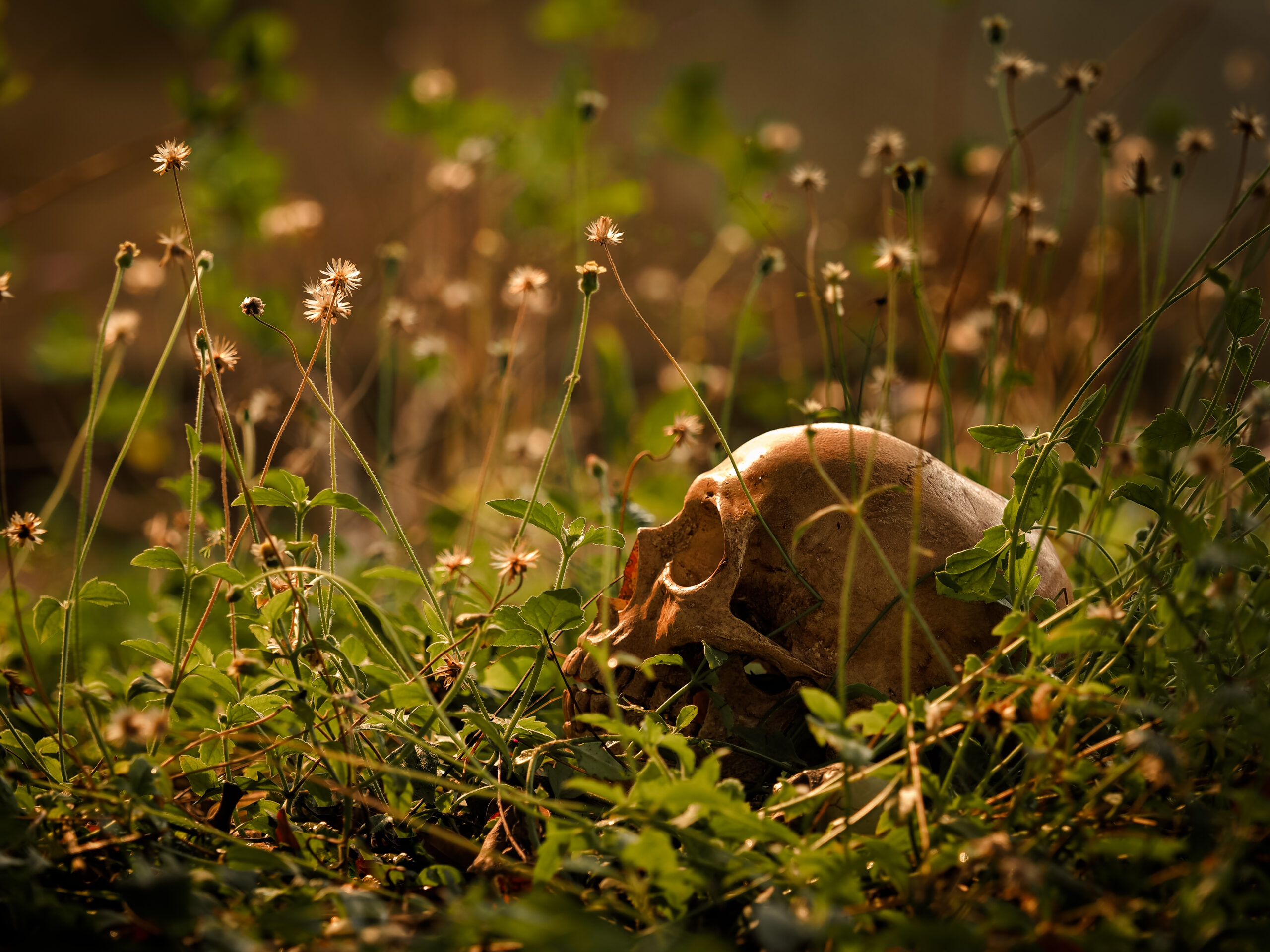
Skeletonization occurs when most soft tissue has disappeared and bones are largely exposed. The time required to reach this stage is highly variable. In a warm, humid climate with insect access, a body on the surface can become largely skeletonized in a matter of weeks to a few months. In cooler or drier conditions, or if buried, it can take many months or longer. Even after bones are exposed, they continue to weather, crack, and break down over years due to environmental conditions, soil chemistry, and plant activity.
Typical decomposition timelines in different conditions
There is no single answer to how long decomposition takes, because environment and body handling dramatically change the timeline. For practical purposes, it is useful to think in ranges, rather than exact numbers of days.
On the surface in a temperate climate
A body left on the ground in a temperate climate with access to insects will usually progress through recognizable stages within weeks. Visible bloating usually appears in a few days, active decay dominates within the first couple of weeks, and significant soft tissue loss often occurs over one to two months. Partial skeletonization may be seen within several months, although residual soft tissue can persist much longer in sheltered or shaded areas.
Buried in soil
Burial slows decomposition by limiting access to insects, altering oxygen levels, and moderating temperature and moisture. A shallow grave in loose soil may still allow some insect activity and more rapid decay, potentially leading to substantial soft tissue loss over several months. A deeper grave in compact or clay-rich soil can significantly delay decay, stretching soft tissue persistence over years in some cases. Soil acidity, drainage, and the presence of plant roots or burrowing animals all influence the rate of breakdown.
In water
In aquatic environments, decomposition is shaped by water temperature, depth, currents, and scavenging animals. In warm water, bloating and floating can occur within days, while cold water can preserve a body longer, delaying visible changes. Once floating, exposure to air and aquatic scavengers can speed tissue loss. Over weeks to months, soft tissues break down, but cold, deep, or low-oxygen waters can significantly slow the process and may preserve some features longer than in air.
Indoors or protected environments
A body kept indoors or otherwise protected from insects and weather can follow a different decomposition pattern. Temperature control, low air movement, and low humidity can slow decay and may lead to mummification, where tissues dry and harden instead of fully breaking down quickly. In such situations, recognizable features can persist for months or even years, although internal tissues still undergo chemical and microbial changes.
How environmental factors affect the timeline
Several key factors influence how quickly a body decomposes, and understanding them helps explain why timelines vary so widely between cases and locations.
Temperature
Temperature is one of the most important drivers of decomposition. Warm conditions generally accelerate bacterial growth and insect activity, leading to faster breakdown of tissues. In hot environments, active decay can begin within a day or two. In cold climates, decomposition may slow dramatically, with the body remaining relatively intact for extended periods. Freezing can temporarily halt most microbial and insect activity, preserving tissues until temperatures rise again.
Moisture and humidity
Moist environments tend to support faster decomposition by encouraging microbial growth and keeping tissues soft. High humidity outdoors can speed the progression from bloat to active decay. In contrast, very dry air can draw moisture out of tissues, slowing bacterial activity and leading to mummification rather than rapid decay. Soil moisture also matters: waterlogged soils may delay some insect access but can still support microbial processes, while well-drained soils influence how fluids disperse.
Access by insects and scavengers
Insects, especially blowflies and beetles, are critical agents of soft tissue removal. When they have full access to a body, they can dramatically shorten the time required to reach advanced decay. Barriers like clothing, wrapping, plastic, or burial reduce or delay access and slow overall decomposition. Larger scavengers, such as rodents or wild animals, can also alter the process by removing tissues, scattering remains, and exposing deeper layers to air and insects.
Body size, condition, and clothing
Individual factors matter as well. Larger bodies contain more tissue and can retain heat longer, sometimes affecting early bacterial growth. Pre-existing illness, infection, or certain medications can influence microbial communities and decomposition patterns. Clothing and coverings can either insulate and retain moisture, supporting faster decay in some areas, or act as partial barriers to insects, slowing access to skin and deeper tissues. Tight wrapping or sealed containers can significantly alter the pace and character of decomposition.
Decomposition in different burial and preservation contexts
Modern burial and preservation practices change the natural decomposition timeline. For families, legal professionals, and those working in death care, it is useful to understand how these practices affect the process.
Traditional earth burial in a coffin
In a standard coffin burial, decomposition usually proceeds more slowly than in an unprotected outdoor environment. The coffin provides a physical barrier to insects and can change how air and moisture interact with the body. Depending on coffin material, soil type, and depth, soft tissue may remain for many years. Over time, wood coffins break down, soil shifts, and conditions inside become more similar to the surrounding earth, eventually allowing further decomposition and skeletonization.
Embalming and delayed decomposition
Embalming is designed to temporarily slow decomposition for viewing, transport, or cultural practices. Chemicals are introduced into the bloodstream and body cavities to inhibit bacterial growth and stabilize tissues. This process does not stop decomposition permanently, but it can preserve appearance for days to weeks, and sometimes much longer, depending on environment and quality of embalming. Once chemical protection diminishes, natural processes resume, though often at a slower rate than in an unembalmed body under similar conditions.
Cremation and alternative methods
Cremation bypasses the typical decomposition stages by using high heat to reduce the body to bone fragments within hours. Other emerging methods, such as alkaline hydrolysis, use water and chemicals under pressure and heat to accelerate the breakdown of soft tissues, leaving bone material and a sterile liquid. These approaches are chosen for various cultural, environmental, or personal reasons and change the timeline from months or years to a very short, controlled process.
Green and natural burial
Natural or green burial aims to allow the body to decompose more quickly and return to the environment with minimal intervention. Bodies are typically not embalmed and may be placed in biodegradable shrouds or simple coffins. Buried at a depth that still allows for some microbial and insect activity, these remains often follow a more typical ecological decomposition pattern. Depending on climate, significant soft tissue breakdown can occur over months to a few years, with bones persisting longer but gradually integrating into the soil.
How forensic experts estimate time since death
In forensic work, the question of how long a body has been decomposing is approached carefully and systematically. Rather than relying on a single sign, professionals consider multiple indicators and environmental data together.
Visual and physical changes
Investigators assess visible signs such as discoloration, bloating, skin slippage, insect activity, and the presence or absence of soft tissues. These observations are compared to known patterns from forensic research, taking into account local climate and recent weather. Internal examinations, including organ condition and the state of bodily fluids, offer additional clues when feasible.
Insects and other biological markers
Forensic entomology uses the life cycles of insects found on remains to estimate how long the body has been available to them. By identifying species and measuring the development of larvae or pupae, entomologists can often provide a range for minimum time since death, adjusted for ambient temperatures. In some cases, microbial changes, plant growth around or through remains, and soil chemistry shifts also contribute to time estimates.
Environmental data and local context
Accurate estimation requires knowledge of the conditions where the body was found. Experts gather information on recent temperatures, rainfall, sunlight exposure, and whether the remains were sheltered, submerged, or buried. They also look for signs of disturbance, movement by animals, or attempts to conceal the body, all of which can alter the normal pattern of decay. This combined analysis produces a reasoned estimate rather than a precise, single number of days.
Realistic expectations about decomposition time
In practical terms, it is helpful to think of body decomposition as a broad timeline influenced by context rather than a fixed schedule. In a warm outdoor setting with full insect access, a body can show advanced decay within weeks and major soft tissue loss within a few months. In cool, dry, buried, or otherwise protected conditions, recognizable structures can persist for many months or years, although chemical and microscopic changes begin almost immediately after death.
For anyone dealing with questions around death, burial, and the fate of remains, understanding these general patterns can support informed decisions, realistic expectations, and more effective communication with professionals in medicine, forensics, and funeral care.