
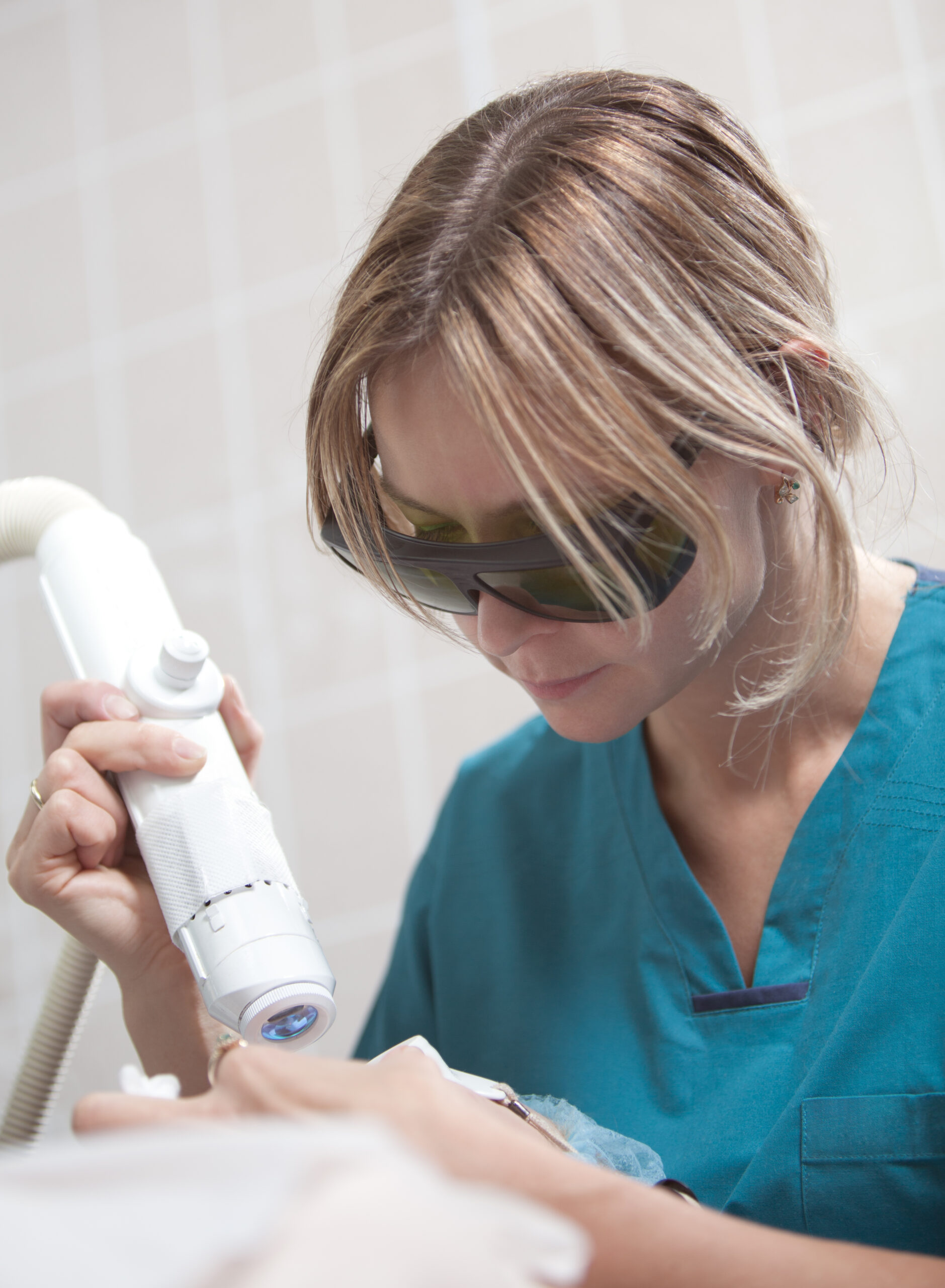
Understanding how many sessions it takes to remove a tattoo is not as simple as quoting one number. The answer depends on the tattoo itself, your skin, and the laser technology used. With the right expectations and a clear plan, you can make informed decisions about timing, cost, and results.
Typical number of sessions
Most professional tattoos need between 6 and 12 laser sessions to achieve significant fading or near-complete removal. Some very dark, dense, or older tattoos can require 12 to 20 sessions, while small, light amateur tattoos may fade in as few as 3 to 5 sessions.
These sessions are usually spaced 6 to 10 weeks apart to allow the skin to heal and the body to clear the fragmented ink. Because of this, full tattoo removal is almost always a months-long, and often year-long, process rather than a quick fix.
Key factors that affect session count
Ink color and type
Ink color is one of the biggest reasons session numbers vary so much. Black and dark blue inks absorb laser energy most efficiently, so they usually respond fastest and need fewer sessions. Greens, yellows, oranges, and light blues are more stubborn and can take multiple extra treatments to reach similar fading.
Professional tattoos typically contain more pigment, placed deeper and more evenly in the skin, which can require more sessions than amateur tattoos that are often lighter, patchier, and closer to the surface. Some cosmetic or medical inks, such as permanent makeup, can behave unpredictably and sometimes darken with certain lasers, requiring careful planning and more sessions.
Tattoo age and quality
Older tattoos often respond better and faster to laser removal than very fresh ones. Over time, the body has already broken down and dispersed some of the pigment, so there is less ink to remove. Sun-faded or “blurry” tattoos tend to clear faster than sharp, fresh, saturated designs.
High-quality, dense, professionally done tattoos may look better on the skin but often require more sessions because of the amount of ink that was originally placed. In contrast, quick or poorly done tattoos may clear in fewer visits because there is simply less pigment to break up.
Body location
Where the tattoo sits on your body influences how quickly the ink fragments are cleared by your immune system. Areas with better circulation, such as the chest, upper back, and upper arms, usually respond faster. Extremities like hands, wrists, feet, and ankles often take longer and need more sessions.
This difference is rarely dramatic for a single session, but over the course of a full removal process, location can add several additional treatments compared to otherwise similar tattoos placed closer to the torso.
Skin type and individual healing
Skin tone and how your skin reacts to laser energy affect how aggressively a specialist can treat your tattoo. On lighter skin, higher laser settings can often be used safely, which may reduce the total number of sessions. On darker skin types, more conservative settings and longer intervals are used to reduce the risk of pigment changes or scarring, which can extend the treatment timeline.
Your general health and immune function also matter. People who do not smoke, stay hydrated, exercise regularly, and protect treated skin from sun exposure typically see better clearance between sessions and may reach their goals in fewer visits.
Laser technology used
Modern tattoo removal often uses Q-switched or picosecond lasers, with different wavelengths to target different ink colors. Picosecond lasers can fracture ink particles into smaller pieces than traditional nanosecond devices, which may improve clearance and, in some cases, reduce the total number of sessions needed.
However, technology alone does not guarantee fewer treatments. The experience of the provider, correct wavelength selection for each color, and appropriate energy settings are all critical. A well-planned treatment protocol with slightly older equipment often outperforms a poorly planned protocol with the newest device.
How to estimate your own session count
The most realistic way to estimate how many sessions you will need is an in-person consultation with an experienced laser practitioner who can evaluate your tattoo and skin. They will typically assess several variables before giving you a range rather than a single fixed number.
Be prepared to discuss the age of the tattoo, who applied it, and any prior attempts at removal or cover-up work. These details help the provider gauge ink density and depth. In many cases, they will also perform a small test spot at the first visit and then refine their estimate once they see how your skin and ink respond.
You can expect something like this as a rough starting estimate:
- Small, amateur black tattoo: 3–6 sessions
- Medium professional black or dark blue tattoo: 6–10 sessions
- Large, dense, multi-colored professional tattoo: 10–20+ sessions
Remember that “complete removal” is not guaranteed for every tattoo. Some colors or ink types may only reach significant fading rather than total clearance, and providers should explain this at the outset.
What happens in each session
Each tattoo removal session is relatively quick. After cleaning the area and, if needed, applying a numbing cream, the provider delivers laser pulses across the tattoo. These pulses break the ink into smaller fragments, which your immune system gradually clears over the following weeks.
Immediately after treatment, the skin may appear white and frosty, then red, swollen, or blistered. Proper aftercare is essential to avoid complications and keep you on track for your estimated number of sessions. If you repeatedly get infections, pick at scabs, or expose the area to the sun, you risk scarring and may need more treatments to reach the same level of fading.
How to reduce the number of sessions
While you cannot change ink color or location, you can influence some factors that affect outcomes. Following aftercare instructions exactly, keeping the treated area out of the sun, and using recommended healing products can improve clearance and reduce setbacks between sessions.
Lifestyle changes can also help. Not smoking, staying active, and maintaining good hydration support your lymphatic system, which is responsible for clearing the shattered ink particles. Over time, small advantages in healing can translate into fewer sessions or better results from the same number of treatments.
Finally, work with a reputable clinic that uses appropriate laser technology and has a strong track record with tattoos similar to yours. A provider who understands how to adjust settings for your skin type and ink colors is more likely to get you to your goal in the lower end of your estimated session range, rather than the higher end.
Setting expectations and planning
Because tattoo removal usually requires multiple sessions over many months, it is important to plan realistically. Discuss total estimated cost, spacing between sessions, and what level of fading you want to achieve. In some cases, the goal is not complete removal but lightening a tattoo enough for a cover-up, which can reduce the total number of sessions.
Ask your provider to show you before-and-after photos of tattoos similar in size, color, and location to yours, along with how many sessions each took. This real-world evidence will give you a clearer idea of what to expect than generalized numbers alone.
FAQ
Can a tattoo be removed in one session?
No. Current laser technology cannot safely remove a tattoo in a single session. Trying to do so would greatly increase the risk of scarring and skin damage. Multiple spaced treatments are necessary to let your body clear the ink gradually.
How long should I wait between tattoo removal sessions?
Most clinics recommend waiting 6 to 10 weeks between sessions on the same area. This allows your skin to heal fully and your immune system to process the fragmented ink, which is essential for effective and safe removal.
Is complete removal always possible?
Not always. Many black and dark blue tattoos can be cleared to the point where they are barely visible, but certain colors, very dense ink, scarring, or unusual pigments may limit how much fading is achievable. A good provider will explain your specific chances at your consultation.