If you are planning to tint your car or home windows, it helps to know how long it takes so you can schedule your day, manage expectations, and avoid rushing the job. The actual tinting time depends on the type of vehicle or glass, the number of windows, tint film used, and the installer’s experience.
Typical time to tint different windows
For a standard passenger car, window tinting usually takes about 2 to 3 hours from start to finish when done by a professional shop. This includes preparation, installation, and basic cleanup. Compact cars with fewer or smaller windows may be finished closer to 2 hours, while larger sedans or vehicles with complex rear windows often take longer.
SUVs, trucks, and minivans usually require more time than small cars. An SUV with many large windows and additional glass panels can easily take 3 to 4 hours. Third-row windows, quarter glass, and tailgate glass add both cutting and installation time, especially if there are curves, defroster lines, or factory privacy glass to work around.
For residential or commercial building windows, timing depends on the number and size of panes. A small room or home office with a handful of standard windows may only take 1 to 3 hours. A full house or large office project can run from half a day to a full day or more. Installers often do a site visit or ask for measurements in advance to estimate how many hours or days the job will require.
What happens during the tinting process
The main reason window tinting takes more than a few minutes is the number of careful steps involved. Professional installers do far more than simply apply film to glass. Understanding these stages will help you see why rushing the job often leads to bubbles, peeling, or visible flaws.
Preparation and cleaning
Most installers spend a significant amount of time preparing the glass before any film is applied. The windows are cleaned thoroughly to remove dust, grease, stickers, adhesives, and any residue that could cause bubbles or poor adhesion. This may involve scraping the glass with razor blades, using specific cleaning solutions, and wiping multiple times. On a vehicle, trim pieces or weather seals may be gently loosened or moved so the film can be tucked under the edges for a clean finish.
Measuring, cutting, and shaping film
Once the glass is clean, the tint film is measured and cut. Many shops cut film directly on the outside of the glass to get an exact shape, then transfer it to the inside surface for installation. Curved windows, especially back glass on cars or SUVs, can require heat forming. This step uses heat guns and special tools to contour the film so it fits smoothly to the shape of the window without creases. Heat forming and precise trimming can be time-consuming on complex glass shapes.
Installing and finishing the film
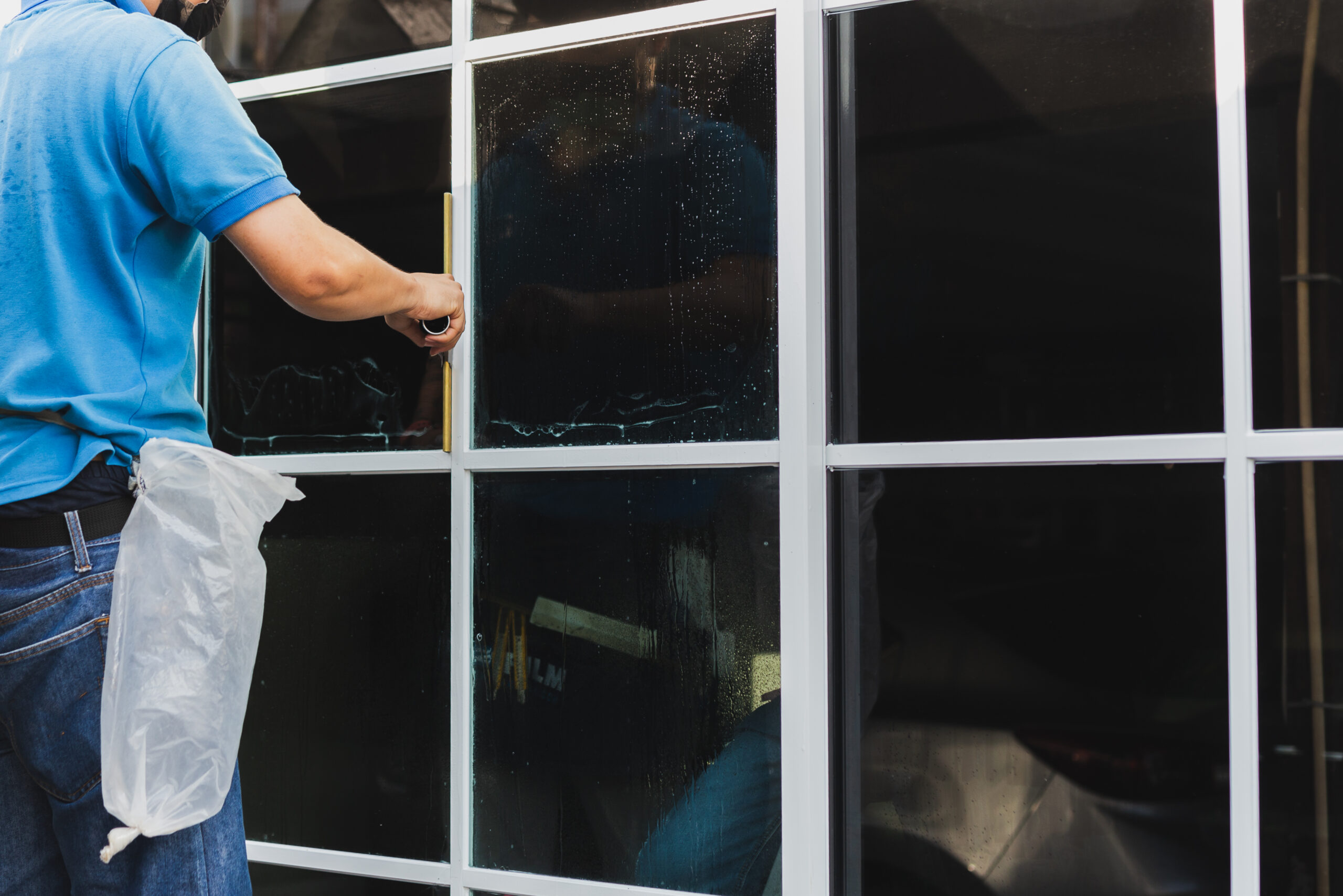
After cutting, the installer applies a slip solution to the glass, removes the film liner, and positions the film on the interior side of the window. The film is then squeegeed from the center out to remove water and air, pressed into edges and corners, and checked for contamination or small particles. Edges are trimmed as needed so they sit just inside the window seal. On vehicles, each window is rolled up and down to confirm it moves freely without catching the film. The installer usually does a final inspection and wipe-down to remove streaks and fingerprints.
Factors that affect how long tinting takes
The estimated time to tint windows is not the same for every situation. A professional can usually give you a specific timeframe once they know your vehicle model or window details, but several common factors influence how long you should expect to wait.
Type and condition of the windows
Large, curved, or unusually shaped windows take longer than simple flat panes. A steeply curved rear windshield with defroster lines, spoilers, or integrated antennas demands more careful work than a basic side window. Older glass with scratches, pitting, or old tint and glue also lengthens the process because removal and surface preparation are required before new film can be applied.
Removing old tint film
If your windows already have tint, removal can easily add 1 to 3 hours or more to the job, depending on the condition of the existing film. Old or low-quality tint often becomes brittle and separates from the adhesive, which must be carefully removed with steam, chemicals, and scraping without damaging the defroster lines or glass. Vehicle back windows with rear defrosters usually take the longest, as the installer must work slowly to protect the heating elements.
Number of windows and project size
A basic car tint might involve five to seven pieces of glass, while an SUV or minivan may have more than a dozen. The more windows you tint, the longer the job takes, even if each individual pane is straightforward. For homes and buildings, timing scales with the total square footage of glass. A single installer can only cover so much area per hour while maintaining quality, although larger companies may send a team to reduce total project time.
Type and quality of tint film
Different films handle and install differently. Dyed films are usually the simplest and quickest to install, while ceramic or multi-layer films can require a little more time for precise positioning and squeegeeing. Heavier, more advanced films may be less forgiving of contamination or creases, so experienced installers often move slightly slower to ensure a perfect finish. Higher-quality work with premium film is often worth an extra 30 to 60 minutes if it improves long-term durability and appearance.
Installer experience and shop workflow
An experienced professional often works faster and with fewer mistakes than someone new to tinting. Established tint shops have refined workflows, tools, and techniques to reduce wasted motion and rework. However, a busy shop may also have wait times between steps, especially if multiple vehicles are being worked on at once. It is normal for shops to quote a window of time, such as “drop off in the morning and pick up in the afternoon,” even if the active tinting takes only a few hours.
How long tint takes to dry and cure
Another common timing question is how long window tint takes to fully dry or cure after installation. While the film adheres to the glass as soon as it is installed, the moisture under the film needs time to evaporate completely. During this curing period, you may see haze, streaks, or small water pockets that gradually disappear as the film settles.
In normal conditions, most automotive tint takes about 2 to 5 days to appear clear and close to final. Full curing, especially on thicker or higher-performance films, can take 1 to 4 weeks. Cold weather, high humidity, and limited sunlight will extend curing time, while warm temperatures and direct sun can speed it up. For homes and buildings, large panes often behave similarly, with visible improvements within a few days and complete curing over several weeks.
When you can roll down windows or clean them
After tinting a vehicle, you should avoid rolling down the windows for at least 2 to 3 days, and many installers recommend waiting up to a week for the safest results. Rolling windows down too early can catch the film on the window seals and cause peeling or shifting before the adhesive has fully set. The installer will usually give you a specific timeframe based on the film used and local climate.
For cleaning, wait until the tint has mostly cured. Light surface cleaning is usually safe after a week, but aggressive scrubbing or using ammonia-based cleaners should be avoided entirely. Use a soft microfiber cloth and a tint-safe cleaner or mild soap solution. On home or office windows, cleaners should also be non-abrasive and free of harsh chemicals that can degrade the film over time.
Planning your schedule around window tinting
To avoid frustration, plan to be without your car for at least half a day, even if the shop suggests a shorter tinting time. This buffer gives the installer breathing room and allows for unexpected delays such as difficult tint removal, weather changes, or extra inspection time. If you need your vehicle for work or family commitments, consider dropping it off early in the day or arranging alternative transportation.
For home and commercial projects, discuss timing and access before booking. Ask how many installers will be on-site, how long they expect to be there, and whether you need to clear furniture or window coverings ahead of time. A reputable installer will give you a realistic estimate that includes setup, installation, and cleanup, not just the time the film is on the glass.
How to get an accurate time estimate
If you want a clear answer to how long it will take to tint your windows, the most reliable approach is to contact a professional tint shop or installer with specific details. Provide your vehicle year, make, and model, or for a building, the number and size of windows and any existing tint. Ask whether there is old film to remove, what type of tint film they recommend, and how busy their schedule is on the day of your appointment.
A professional should be able to tell you both the expected installation time and the recommended curing period before you roll windows down, clean the glass, or judge the final appearance. With the right expectations, you can plan your day, protect the new tint during curing, and get the long-term performance and look you expect from a quality installation.